
High Protein Meals for Weight Loss: Smart Food Choices That Help You Burn Fat
- Vaibhav Sharma

- Apr 2
- 8 min read
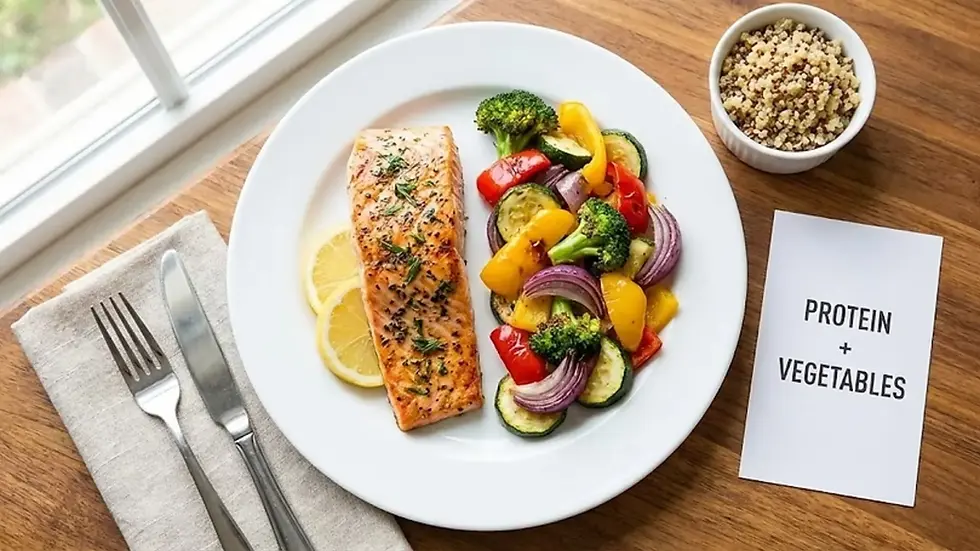
Protein plays a key role in fat loss because it helps preserve lean muscle while your body burns stored fat. It also increases satiety, meaning you feel fuller for longer, which can reduce unnecessary snacking. On top of that, protein supports a higher metabolic rate since your body uses more energy to digest it compared to fats or carbs.
One common mistake people make when trying to lose weight is cutting calories too aggressively without eating enough protein. This can lead to muscle loss, low energy, and slower metabolism. High protein works best when combined with balanced nutrition that includes fiber, healthy fats, and whole foods.
In this guide, you’ll learn the benefits of high protein meals for weight loss, the best food choices, practical meal ideas, and common mistakes to avoid.
Why High Protein Meals Support Weight Loss

High-protein meals are one of the most effective dietary strategies for sustainable fat loss because protein influences hunger, metabolism, muscle maintenance, and overall calorie balance in powerful ways.
They help you feel fuller longer, burn slightly more calories during digestion, protect lean muscle while losing weight, and reduce cravings — making it easier to stick to a calorie deficit without constant hunger or fatigue.
Evidence from multiple studies shows higher-protein diets (25–35% of calories from protein) lead to greater fat loss, better body composition, and less rebound weight gain compared to lower-protein plans.
Protein and Appetite Control

Protein is the most satiating macronutrient — it strongly suppresses hunger and reduces overall food intake naturally.
It lowers levels of ghrelin (the “hunger hormone” that signals your brain you’re empty) and increases leptin (the “fullness hormone” that tells your brain you’re satisfied) — plus boosts other satiety signals like GLP-1 and PYY.
This means after a high-protein meal (e.g., eggs, chicken, Greek yogurt), you stay satisfied longer — often eating 200–400 fewer calories at the next meal or snack without trying, which directly supports a calorie deficit for fat loss.
Protein and Metabolism Boost
Protein has the highest thermic effect of food (TEF) — your body burns 20–30% of the calories from protein just to digest, absorb, and process it (compared to only 5–10% for carbs and 0–3% for fats).
In simple terms: if you eat 100 calories of protein, your body uses 20–30 of those calories just breaking it down — a small but cumulative metabolic advantage over the day.
Combined with muscle preservation (explained below), this slight boost helps prevent the metabolic slowdown that often happens during dieting.
Muscle Preservation During Calorie Deficit
When you’re eating fewer calories to lose fat, the body can break down muscle for energy if protein intake is too low — losing muscle slows your resting metabolism, making future weight maintenance harder.
High protein intake (especially leucine-rich sources like whey, eggs, meat) signals the body to preserve and repair muscle tissue — so more of the weight you lose comes from fat, not lean mass.
This keeps your metabolism higher long-term and improves body composition (firmer, more toned look even at lower weight).
Best High Protein Foods for Weight Loss

The best high-protein foods for weight loss are lean (low in fat/calories), nutrient-dense, and satiating — they help you stay full longer, preserve muscle during a calorie deficit, and make it easier to maintain a deficit without constant hunger.
Prioritize sources with high protein per calorie (protein-to-calorie ratio) to maximize intake while keeping calories low.
Animal proteins are complete (all essential amino acids) and highly bioavailable, while plant proteins often come with fiber (extra fullness + gut health) but may need combining for completeness. Aim for 1.6–2.2 g protein per kg body weight daily for optimal fat loss and muscle retention.
Lean Animal-Based Protein Options
These are low-fat, high-protein staples with minimal calories — ideal for weight loss.
Chicken breast (skinless, grilled/baked) — ~31 g protein / 165 calories per 100 g; extremely lean, versatile, low in saturated fat.
Fish (cod, tilapia, tuna in water, salmon in moderation) — 20–25 g protein / 90–150 calories per 100 g; omega-3s in fatty fish reduce inflammation; white fish are lowest calorie.
Egg whites — 11 g protein / 52 calories per 100 g (or ~3.6 g per large white); virtually fat-free; whole eggs (6 g protein / 70 calories each) are fine in moderation for healthy fats.
Greek yogurt (plain, non-fat or low-fat) — 10–20 g protein / 60–120 calories per 100–200 g serving; thick texture boosts satiety; choose live-culture versions for gut benefits.
Plant-Based Protein Options
Plant proteins add fiber and micronutrients — great for fullness, gut health, and variety (especially for vegetarians/vegans).
Lentils (cooked) — 9 g protein / 116 calories per 100 g; high fiber slows digestion, stabilizes blood sugar, reduces cravings.
Tofu (firm/extra-firm) — 10–15 g protein / 70–100 calories per 100 g; low calorie, versatile (grill, stir-fry), complete protein when soy-based.
Beans (chickpeas, black beans, kidney beans — cooked/rinsed) — 7–9 g protein / 120–140 calories per 100 g; rich in prebiotic fiber for microbiome support and prolonged fullness.
Quinoa (cooked) — 4–5 g protein / 120 calories per 100 g; complete protein, gluten-free, contains fiber and magnesium for energy and satiety.
Low-Calorie High Protein Snacks
Quick, portable options to curb hunger between meals without derailing your deficit.
Cottage cheese (low-fat or non-fat) — 11–14 g protein / 80–100 calories per 100 g; creamy texture satisfies; pair with cucumber or tomatoes.
Protein smoothies — 1 scoop (20–30 g) protein powder + water/unsweetened almond milk + spinach/berries — ~25–35 g protein / 120–200 calories; quick, customizable, and fiber-rich.
Boiled eggs — 6 g protein / 70 calories per large egg; portable, nutrient-dense; 2–3 eggs make a filling snack under 200 calories.
High Protein Meal Ideas for Effective Fat Loss

High-protein meals promote fat loss by increasing satiety, preserving muscle, boosting metabolism slightly, and helping maintain a calorie deficit without constant hunger. Balance each meal with:
Protein (25–40 g per meal) for fullness and muscle support
Fiber-rich vegetables/fruits/whole grains for microbiome health, steady blood sugar, and extra volume
Healthy fats (avocado, olive oil, nuts/seeds in moderation) for hormone balance and nutrient absorption
Here’s a simple sample day structure (≈1,600–1,800 calories, 120–150 g protein — adjust portions to your needs):
Breakfast: 30 g protein
Lunch: 35–40 g protein
Dinner: 35–40 g protein
Snacks: 20–30 g protein total
Total fiber: 30–40 g+ from veggies/grains
High Protein Breakfast for Weight Loss
Option 1: Eggs + Vegetables
3 whole eggs + 2 egg whites (scrambled or omelet) — ~30 g protein
Large handful spinach, tomatoes, bell peppers, mushrooms (sautéed) — fiber + micronutrients
1 tsp olive oil or cooking spray
Total: ~30–35 g protein, low carb, high volume Why it works: Eggs provide high leucine for muscle preservation; veggies add fiber to keep you full till lunch.
Option 2: Greek Yogurt Bowl
200–250 g plain non-fat Greek yogurt — 20–25 g protein
1 cup mixed berries (strawberries, blueberries) — antioxidants + prebiotic fiber
1 tbsp chia seeds or ground flax — extra fiber & omega-3s
Optional: cinnamon or few drops stevia Total: ~25–30 g protein, gut-friendly probiotics + fiber Why it works: Probiotic yogurt supports microbiome; berries/chia slow digestion for all-morning satiety.
High Protein Lunch to Stay Full
Option 1: Grilled Chicken Salad
150–180 g grilled chicken breast — 35–45 g protein
Large mixed greens (spinach, arugula, lettuce) + cucumber, cherry tomatoes, bell peppers
½ avocado or 1 tbsp olive oil dressing — healthy fats
Lemon juice, herbs, pepper Total: ~40–50 g protein, high fiber/volume Why it works: Lean chicken + massive veggie base = low-calorie, high-satiety meal that prevents afternoon snacking.
Option 2: Lentil Bowl
1–1½ cups cooked lentils — 18–25 g protein
Mixed steamed/roasted veggies (broccoli, zucchini, carrots)
½ cup quinoa or cauliflower rice
Drizzle olive oil + spices (cumin, turmeric) Total: ~30–40 g protein, plant-based fiber boost Why it works: Lentils provide prebiotic fiber + plant protein; veggies add bulk without calories.
High Protein Dinner That Supports Fat Loss
Salmon + Steamed Veggies
120–150 g baked/grilled salmon — 25–35 g protein, omega-3s
Large serving steamed or roasted non-starchy veggies (broccoli, asparagus, green beans, cauliflower)
Optional: small sweet potato or ½ cup quinoa if higher carbs needed
Season with herbs, lemon, garlic Total: ~35–45 g protein, anti-inflammatory fats Why it works: Fatty fish reduces inflammation; low-calorie veggies fill the plate while keeping calories controlled.
Smart High Protein Snacks for Gut Balance
Protein smoothie — 1 scoop (25–30 g) low-sugar protein powder + handful spinach + ½ cup frozen berries + 1 tbsp ground flax or chia + water/unsweetened almond milk → ~25–35 g protein, fiber-rich, quick & portable
Portion-controlled nuts — 20–30 g almonds or walnuts (~6–8 g protein) → Healthy fats + moderate protein; pre-measure to avoid overeating
Cottage cheese (low-fat) — 100–150 g with cucumber slices or cherry tomatoes → 12–20 g protein, creamy & satisfying
Common Mistakes When Eating High Protein for Weight Loss

High-protein eating is excellent for fat loss, but small mistakes can stall progress, cause digestive issues, or lead to frustration. The biggest pitfalls include consuming too many calories overall, ignoring portion sizes, skipping fiber-rich foods, and over-relying on supplements. These errors often turn a helpful strategy into a calorie surplus or gut discomfort, slowing results.
Too Much Protein Without Calorie Awareness
Protein still contains calories (4 kcal per gram) — eating very large amounts can easily push you out of a deficit. Many people assume “more protein = more fat loss,” but 300–400 g of chicken breast or multiple shakes can add 800–1,200 extra calories daily without you realizing it.
Fix: Track total daily calories (not just protein grams) — aim for a moderate surplus in protein (1.6–2.2 g/kg body weight) while keeping overall intake in a 300–500 kcal deficit.
Relying Only on Supplements
Protein powders are convenient, but depending on them too heavily skips the benefits of whole foods. Whole-food proteins (eggs, chicken, fish, lentils, Greek yogurt) provide micronutrients, fiber, healthy fats, and better satiety signals from chewing and slower digestion. Powders often lack these extras and may contain additives that irritate the gut or spike cravings.
Fix: Get 70–80% of daily protein from real food; use shakes/supplements for only 1–2 servings max per day.
Not Staying Hydrated
High protein intake increases the kidneys’ workload to process nitrogen waste — this requires more water to flush it out safely. Low hydration + high protein can cause constipation, kidney strain (in extreme cases), fatigue, and poor digestion.
Fix: Drink 3–4 liters of water daily (more if active/sweating); add electrolytes if needed. Proper hydration also supports fullness and gut motility.
As a health specialist, I often see people increase protein aggressively but forget calorie balance — they eat 200 g of chicken breast plus shakes and wonder why the scale isn’t moving. Protein is powerful, but it still counts toward your daily calories. Pair it with vegetables, stay hydrated, and track portions — that’s when the real fat loss happens.
Conclusion
Protein plays an important role in fat loss by helping preserve lean muscle, increasing fullness, and supporting a healthy metabolism. When you prioritize enough protein, it becomes easier to manage hunger and maintain strength while reducing body fat.
That said, protein alone is not a magic solution. Sustainable weight loss still depends on overall calorie control and a balanced diet that includes fiber, healthy fats, and whole foods. Cutting calories too aggressively or relying on extreme dieting can slow progress and make results harder to maintain.
Focus on consistency instead of quick fixes. Build meals around quality protein sources, stay mindful of portions, and create habits you can stick with long term. Steady, balanced changes will deliver better results than short-term extremes.
Frequently Asked Questions About High Protein Meals for Weight Loss
How much protein do I need to lose weight?
Most people aiming for weight loss benefit from about 1.2 to 1.6 grams of protein per kilogram of body weight per day. This helps preserve muscle while keeping you full during a calorie deficit.
Can high protein diets burn belly fat?
High protein diets do not directly target belly fat, but they help reduce overall body fat by controlling hunger and preserving muscle. As total body fat decreases, abdominal fat typically reduces as well.
Are protein shakes good for weight loss?
Protein shakes can support weight loss when used to replace high-calorie meals or snacks. The key is choosing low-sugar options and keeping total daily calories in check.
Is too much protein bad for weight loss?
Excess protein can slow weight loss if it pushes you above your daily calorie needs. Balance matters, as protein still contains calories that contribute to overall intake.
Can I lose weight without increasing protein?
Yes, weight loss is possible without increasing protein if you maintain a calorie deficit. However, higher protein intake often makes the process easier by reducing hunger and protecting muscle mass.


Comments