
How Long Can a Dead Tooth Stay in Your Mouth?
- Twishi Jain
- Apr 1
- 8 min read


A dead tooth can technically stay in your mouth for anywhere from a few days to several years — but every day you leave it untreated, the risks quietly multiply. This article tells you exactly what's happening inside that tooth, what warning signs to never ignore, and what you can do right now to protect your health.
What Exactly Is a "Dead Tooth"?
Most people have never heard the term until their dentist says it to them in a chair — and it sounds alarming for a reason. A dead tooth (also called a non-vital tooth or necrotic pulp) is a tooth where the blood supply has been completely cut off. Without blood flow, the living tissue inside the tooth — the pulp — dies.

Here's a quick anatomy refresher: every tooth has three layers:
Enamel — the hard outer shell you can see and feel.
Dentin — the dense layer beneath the enamel.
Pulp — the innermost soft tissue containing nerves, blood vessels, and connective tissue.
The pulp is what keeps a tooth "alive." It's what makes your tooth feel heat, cold, and pressure. When the pulp dies, the tooth becomes a hollow shell — still physically present in your jaw, but no longer biologically active. And that creates a problem, because your mouth doesn't know the difference between dead tissue and a target for bacteria.
How Long Can a Dead Tooth Actually Stay in Your Mouth?
This is the question most people want answered — and the honest answer is uncomfortable.
A dead tooth can remain in your mouth for days, weeks, months, or even years. There is no universal timeline. Some people walk around for years not realizing they have a dead tooth, especially if it isn't causing pain. Others develop a serious infection within weeks.
What determines the timeline? Several factors:
Factor | Impact on Timeline |
Severity of the original damage | Severe trauma = faster progression |
Your oral hygiene habits | Poor hygiene accelerates bacterial spread |
Your overall immune health | A weaker immune system means faster infection |
Whether the tooth is cracked or fully sealed | Cracks allow bacteria in faster |
Whether you're getting regular dental check-ups | Early detection slows damage |
The dangerous part? A dead tooth may go completely silent for a long time. The nerve is dead, so you may feel no pain — which makes it easy to ignore. But the bacteria don't take a break just because you aren't in pain.
How Does a Tooth Die? The 3 Main Causes
Physical Trauma
A hard knock to the mouth — from sports, a fall, or an accident — can rupture the blood vessels inside the tooth. Even if the tooth looks fine on the outside, the internal damage can slowly cut off blood flow, and the pulp gradually dies over weeks or months. This is why dental check-ups after any mouth injury are so important.
Untreated Tooth Decay (Cavities)
This is the most common cause. When a cavity goes ignored, bacteria eat through the enamel and dentin and eventually reach the pulp. Once bacteria invade the pulp, infection sets in, blood supply is disrupted, and the tooth begins to die from the inside out. What starts as a minor toothache can end in a dead tooth — and a much bigger dental bill.
Gum Disease (Periodontitis)
Advanced gum disease erodes the bone and tissue that anchor your teeth. When the infection creeps down to the root tips, it can strangle the blood supply entering the tooth, causing the pulp to die — even without visible decay.
7 Warning Signs Your Tooth May Be Dead or Dying
The tricky thing about a dead tooth is that it can be completely painless — at first. Here are the signs that should make you call your dentist this week, not next month:

Discoloration
A tooth turning grey, yellow, brown, or black is one of the most visible red flags. This happens because the blood that breaks down inside the pulp stains the dentin from within. Unlike surface stains, this kind of discoloration cannot be fixed with whitening toothpaste or bleaching strips.
Dull or Throbbing Pain
Not all dead teeth are pain-free. As the pulp dies and infection builds up, pressure from pus or bacteria can cause significant discomfort — ranging from a persistent dull ache to sharp, stabbing pain.
Sensitivity That Suddenly Disappears
If a tooth that used to be sensitive to hot or cold suddenly feels nothing at all, that's not necessarily good news. It may mean the nerve has died entirely.
Swelling Around the Gum
Visible swelling, a bump on the gum (called a fistula or "gum boil"), or a puffed cheek near the tooth can indicate an abscess — a pocket of infection that has already started spreading.
Persistent Bad Breath or Foul Taste
Even with regular brushing, a dead tooth can produce a constant bad taste or odour. This is caused by bacterial byproducts and decaying tissue inside the tooth and surrounding area.
A Loose Tooth
If the dead tooth has caused bone deterioration around its roots, it may start to feel loose or wobbly — a sign that the structure supporting it is breaking down.
Tenderness When Biting or Chewing
Pressure sensitivity that doesn't go away with time can mean there's infection building inside or beneath the tooth.
Treatment Options: What Your Dentist Will Recommend
The good news is that there are effective, well-established treatments. Which one is right for you depends on how far the damage has progressed.
Option 1: Root Canal Therapy (the preferred choice)
Root canal therapy has an undeserved reputation for being painful — in reality, it's performed under local anaesthetic and most patients report it's no more uncomfortable than getting a filling.
What happens during a root canal:
The area is numbed with local anaesthetic.
The dentist creates a small access hole in the tooth.
The canals are thoroughly cleaned and disinfected.
The space is filled with a biocompatible material (gutta-percha).
The tooth is sealed, often with a crown on top for strength.
After a root canal, the tooth is structurally preserved. It won't feel anything — but it will still function for chewing, keep the surrounding teeth in place, and maintain your jawbone density.
Option 2: Tooth Extraction
If the tooth is too damaged or the infection too severe to be saved, extraction is the safer option. The tooth is removed under local anaesthetic.
After extraction, replacement options include:
Dental implants — the gold standard, placed directly into the jawbone
Dental bridges — a fixed artificial tooth held by adjacent teeth
Partial dentures — a removable option for multiple missing teeth
Leaving the gap empty after extraction is not recommended, as it causes neighbouring teeth to shift and can accelerate bone loss in the jaw.
8 Proven Ways to Prevent a Dead Tooth
Most dead teeth are the result of two things: untreated decay and unprotected physical trauma. Both are largely preventable.
1. Treat Cavities Early — Never Delay
The number one preventable cause of dead teeth is a cavity left to fester. A small filling costs a fraction of a root canal. If you feel sensitivity or notice a dark spot on a tooth, get it checked out immediately.
2. Brush Twice Daily — the Right Way
Use a soft-bristled toothbrush and fluoride toothpaste. Brush for at least two minutes, reaching every surface. Proper brushing removes the bacterial film (plaque) that leads to decay.
3. Floss Every Single Day
Flossing removes food particles and plaque from between teeth — areas your toothbrush simply cannot reach. Skipping floss is one of the fastest routes to gum disease and interproximal cavities.
4. Wear a Mouthguard During Sports
Any contact sport — football, cricket, boxing, cycling, basketball — carries a risk of dental trauma. A custom-fitted mouthguard from your dentist is far superior to generic store-bought versions and dramatically reduces the risk of pulp-damaging blows.
5. Use a Nightguard If You Grind Your Teeth
Bruxism (teeth grinding) wears down enamel and can crack teeth, creating pathways for bacteria. A custom nightguard protects your teeth while you sleep.
6. Stay Hydrated and Manage Dry Mouth
Saliva is a natural defense against bacteria. It neutralises acids and washes food particles away. Staying well-hydrated keeps saliva flowing. If you suffer from chronic dry mouth (sometimes caused by medications), speak to your doctor or dentist.
7. Don't Skip Your Dental Check-Ups
A dentist can spot the early signs of pulp damage or a dying tooth on an X-ray — long before any symptoms appear. Regular check-ups every six months give you the chance to catch problems while they're still cheap and easy to fix.
8. Wear a Seatbelt and Use Protective Gear
This one sounds obvious, but dental trauma from car accidents and falls is extremely common. Simple protective habits can prevent the kind of blunt force trauma that starts the clock on a dead tooth.
Foods That Protect Your Teeth vs. Foods That Damage Them
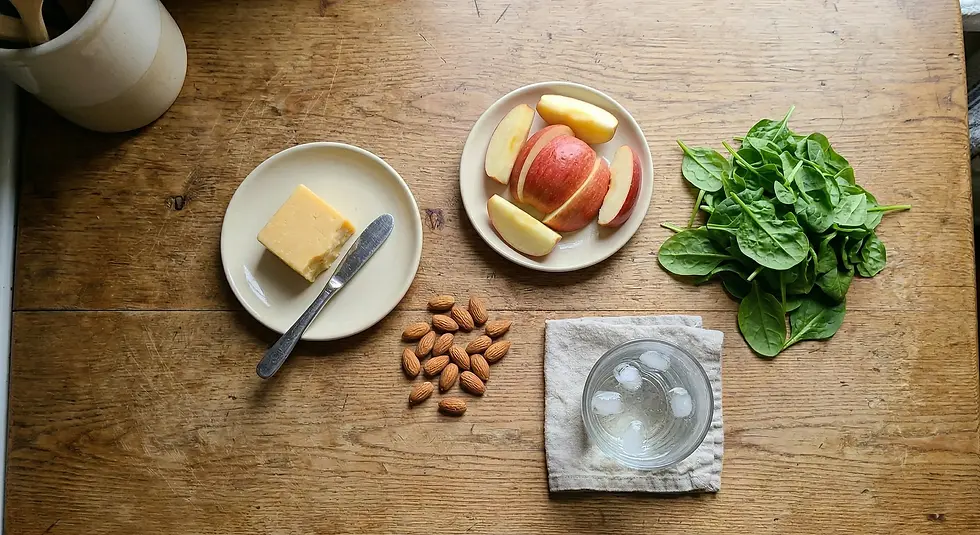
What you eat has a direct impact on the health of your teeth and gums. Here's a practical breakdown:
Foods to Prioritise 🟢
Food | Why It Helps |
Dairy (milk, cheese, yoghurt) | Rich in calcium and phosphate; remineralises enamel |
Leafy greens (spinach, kale) | High in calcium and folic acid; supports gum health |
Crunchy vegetables (celery, carrots) | Stimulate saliva and scrub tooth surfaces naturally |
Apples | High water content; stimulates saliva; mild abrasive action |
Nuts and seeds | Provide calcium, phosphorus, and healthy fats for teeth |
Fatty fish (salmon, sardines) | High in Vitamin D, which aids calcium absorption |
Green and black tea | Contains polyphenols that suppress bacterial growth |
Water (especially fluoridated) | Rinses teeth and strengthens enamel with fluoride |
Foods to Limit or Avoid 🔴
Food | Why It Harms |
Sugary drinks (soda, juice, energy drinks) | Feed acid-producing bacteria; erode enamel rapidly |
Sticky sweets and candies | Cling to teeth; prolonged acid exposure |
Refined carbohydrates (white bread, crackers) | Break down into simple sugars that feed bacteria |
Acidic foods (citrus, vinegar-based foods) | Erode enamel over time |
Alcohol | Causes dry mouth; reduces saliva's protective effect |
Can crack teeth, creating entry points for bacteria | |
Sugary coffee and tea | Combines staining, acid, and sugar in one hit |
Pro tip: If you eat something acidic or sugary, rinse your mouth with water immediately afterward. Wait 30 minutes before brushing — brushing too soon after acid exposure can actually accelerate enamel erosion.
Frequently Asked Questions
Can a dead tooth heal on its own? No. Once the pulp tissue dies, it cannot regenerate. The tooth requires professional treatment — either a root canal to preserve it or extraction to remove it.
Does a dead tooth always turn black? Not always — and not immediately. Discoloration appears gradually as the internal tissue breaks down. Some dead teeth turn grey, yellow, or brown rather than black.
Can you whiten a dead tooth at home? No. Over-the-counter whitening products work on the outer enamel surface only. A dead tooth discolors from the inside, which means professional internal bleaching (performed by a dentist after root canal therapy) is the only effective option.
Can a dead tooth make you physically ill? Yes, in serious cases. If an abscess forms and the infection spreads to the bloodstream, it can cause systemic illness. Dental infections have been linked, in rare cases, to complications involving the heart, sinuses, and brain. Never dismiss a suspected tooth infection.
Is a root canal painful? Modern root canal procedures are performed under local anaesthetic and are generally no more uncomfortable than a standard filling. Post-procedure soreness is common for a day or two but is manageable with over-the-counter pain relief.
Medical Disclaimer
This article is for informational purposes only and does not constitute medical or dental advice. Always consult a qualified dental professional for diagnosis and treatment.


Comments