
Sarsaparilla Root Beer: History, Ingredients, Benefits, and Modern Truth
- Vaibhav Sharma

- Apr 10
- 5 min read

Sarsaparilla root beer is one of those rare beverages that sits at the intersection of tradition, herbal medicine, and modern soft drink culture. While many people associate it with classic root beer, the reality is far more nuanced. This drink has a deep historical background, originating from natural plant roots and evolving over centuries into the flavored sodas we see today. Understanding what sarsaparilla root beer truly is can help you separate myth from fact and make more informed choices.
What Is Sarsaparilla Root Beer?

Sarsaparilla root beer is traditionally a herbal drink made using the root of plants from the Smilax genus. These plants are native to regions like Central America, South America, and the Caribbean, where they were first used by indigenous communities. The root was typically boiled to extract its essence, resulting in a strong, earthy liquid that was often consumed as a medicinal tonic. Over time, this preparation was sweetened and carbonated, eventually transforming into a beverage that resembles modern root beer. However, despite the similarities, sarsaparilla root beer retains its own identity rooted in herbal tradition.
Sarsaparilla vs Root Beer: Understanding the Difference

Although sarsaparilla and root beer are often used interchangeably in casual conversation, they are not identical. Sarsaparilla has a naturally earthy, slightly bitter taste, whereas root beer is typically sweeter and smoother with hints of vanilla and wintergreen. Historically, root beer was made using a combination of roots and herbs, including sassafras, but modern versions rarely contain these original ingredients. In contrast, authentic sarsaparilla drinks were centered specifically around the sarsaparilla root itself. Today, both beverages are often produced using artificial or natural flavorings rather than traditional extraction methods, which further blurs the distinction between them.
The Historical Journey of Sarsaparilla
The story of sarsaparilla root beer begins with its use as a medicinal plant. Indigenous populations used it to treat a variety of conditions, including skin issues and joint discomfort. When European explorers encountered the plant, it quickly gained popularity in herbal medicine and was exported widely. By the 19th century, sarsaparilla-based drinks had become common in pharmacies and households, often marketed as health tonics. As carbonated beverages gained popularity, these herbal mixtures gradually evolved into soft drinks, marking the transition from medicinal use to recreational consumption.
What Goes Into Sarsaparilla Root Beer?
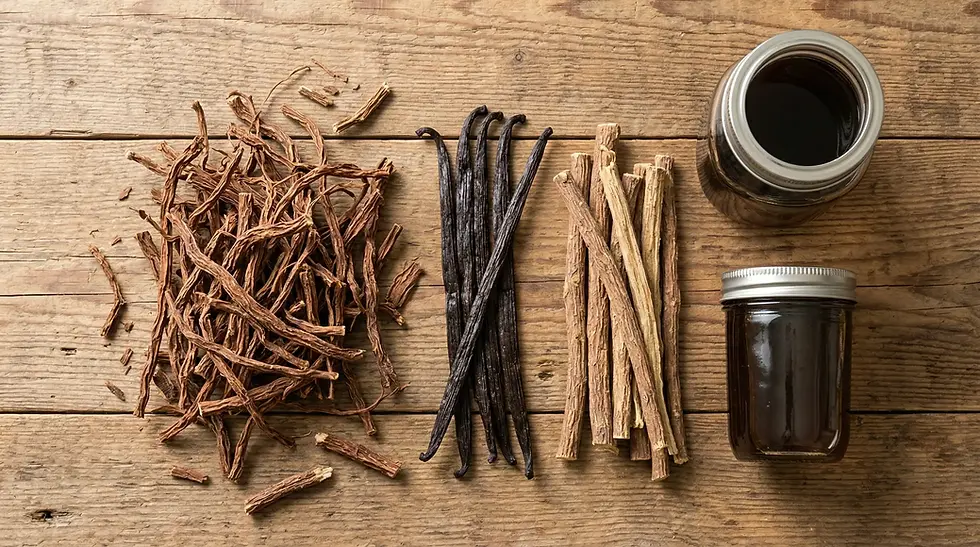
Traditional sarsaparilla root beer was made using natural ingredients that contributed to both its flavor and perceived health benefits. The primary ingredient was the sarsaparilla root itself, often combined with other botanicals like licorice, vanilla, and birch bark to create a more balanced taste. Sweeteners such as molasses or sugar were added to improve palatability, and fermentation was sometimes used to introduce mild carbonation. In contrast, modern versions of the drink are usually made with carbonated water, sweeteners, and flavoring agents, which means they may lack the depth and authenticity of the original preparation.
Potential Health Benefits: What Science Suggests
Sarsaparilla root contains naturally occurring plant compounds such as saponins and flavonoids, which have attracted scientific interest. Early research indicates that these compounds may have anti-inflammatory and antioxidant properties, which could support overall health. Historically, the root has been used for skin-related conditions, and some preliminary findings suggest it may help in reducing certain skin issues. However, it is important to understand that most of this research is still limited and does not provide strong clinical evidence in humans. Additionally, these potential benefits are associated with the raw root or concentrated extracts, not with the sugary, commercially available sodas labeled as sarsaparilla.
Is Modern Sarsaparilla Root Beer Actually Healthy?

In its original form, sarsaparilla root beer may have offered certain herbal benefits due to its natural ingredients. However, the modern version of the drink is closer to a typical soft drink than a health tonic. It often contains high levels of sugar and minimal amounts of actual root extract, making it more of a treat than a functional beverage. While it can still be enjoyed occasionally for its unique flavor, it should not be considered a health drink in its commercial form.
Why Sarsaparilla Root Beer Changed Over Time
The transformation of sarsaparilla root beer from a medicinal tonic to a commercial soda can be attributed to several factors. Advances in food production made it easier and cheaper to replicate flavors using artificial ingredients. Regulatory concerns around certain traditional components also influenced how root-based drinks were formulated. At the same time, consumer preferences shifted toward sweeter and more approachable flavors, leading manufacturers to adapt their recipes accordingly. These changes ultimately resulted in the modern version of sarsaparilla root beer that prioritizes taste and convenience over authenticity.
Does Sarsaparilla Root Beer Still Exist Today?
Authentic sarsaparilla root beer still exists, but it is relatively rare and usually found in specialty or craft beverage markets. Some herbal teas and natural extracts continue to use real sarsaparilla root, offering a closer experience to the original drink. However, most products labeled as sarsaparilla in mainstream markets are flavored sodas that only mimic the traditional taste. For those interested in the true essence of the drink, exploring artisanal or homemade versions may be the best option.
Final Thoughts
Sarsaparilla root beer is more than just a nostalgic beverage; it is a reflection of how traditional herbal knowledge can evolve into modern consumer products. While its origins are deeply rooted in natural medicine, its current form is largely shaped by industrial production and changing tastes. By understanding this journey, you can better appreciate the drink for what it truly is and decide how it fits into your lifestyle.
Frequently Asked Questions (FAQ)
What does sarsaparilla root beer taste like?
Sarsaparilla root beer has a distinct earthy and slightly bitter taste compared to regular root beer. It often carries herbal notes with a mild sweetness, although modern versions are typically sweeter and smoother.
Is sarsaparilla the same as root beer?
No, sarsaparilla and root beer are not exactly the same. While they are related, sarsaparilla is traditionally made from the Smilax root, whereas root beer uses a blend of herbs and flavorings and rarely contains original roots today.
Does sarsaparilla root beer have health benefits?
Authentic sarsaparilla root contains compounds that may have antioxidant and anti-inflammatory properties. However, most commercial sarsaparilla root beer products are sugary soft drinks and do not provide these benefits.
Is sarsaparilla safe to drink daily?
Drinking commercial sarsaparilla soda daily is not recommended due to its sugar content. Herbal sarsaparilla in moderate amounts may be safe, but it is best to consult a healthcare professional before regular use.
Why is real sarsaparilla hard to find?
Authentic sarsaparilla drinks are less common because modern production favors artificial flavoring for cost and consistency. Traditional preparation methods are more time-consuming and less commercially scalable.
Can sarsaparilla help with skin problems?
Historically, sarsaparilla has been used for skin conditions like psoriasis and eczema. Some early research supports this, but strong clinical evidence in humans is still limited.
Medical Disclaimer
This article is for informational purposes only and does not constitute medical advice. Sarsaparilla and related products are not approved to diagnose, treat, cure, or prevent any disease. Consult a qualified healthcare professional before using herbal supplements, especially if you have existing health conditions or are taking medications.
References & Citations
U.S. Food & Drug Administration (FDA) – Dietary Supplements Overview
National Institutes of Health (NIH) – Office of Dietary Supplements
National Center for Complementary and Integrative Health (NCCIH) – Herbal Medicine
U.S. Department of Agriculture (USDA) – Food Data Central
MedlinePlus (U.S. National Library of Medicine) – Herbal Supplements


Comments