
Which Commercial Gym Equipment Fits Different Facility Types?
- Vaibhav Sharma

- 2 days ago
- 4 min read

Every fitness space has different goals, limits, and users. A large health club does not need the same setup as a small apartment gym or a corporate wellness room. Owners must match equipment to space, budget, noise level, and training style to build a facility that works well and feels complete.
The right commercial gym equipment fits the size, purpose, and user needs of each specific facility. High-intensity gyms demand durable strength gear, while quieter spaces need smooth cardio machines. Some locations require compact designs, and others need heavy-duty units that handle constant use. Understanding these differences helps decision makers invest with clarity and avoid costly mistakes.
Power Racks for High-Intensity Gyms
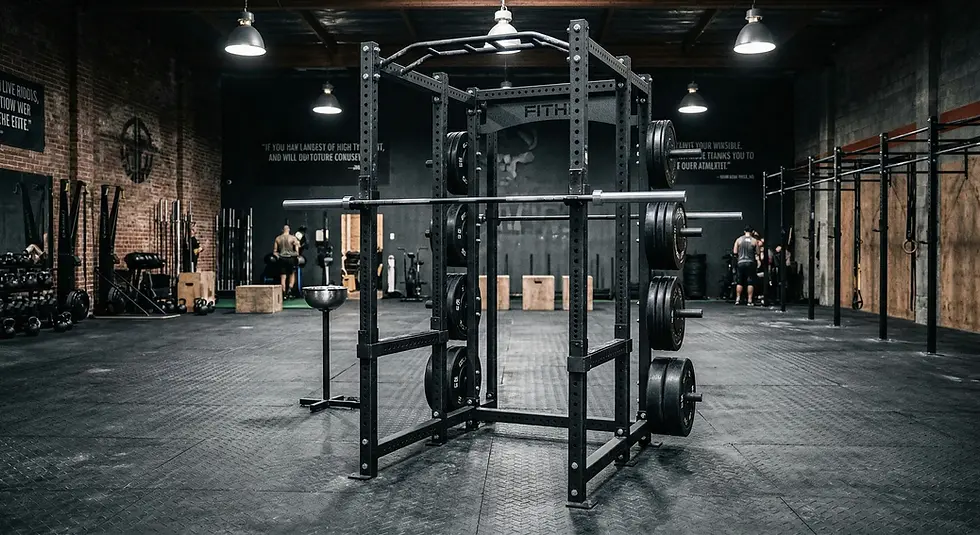
High-intensity gyms place constant stress on their strength areas. They need durable equipment for fitness clubs and studios that can handle heavy daily use without frequent repairs.
A commercial power rack forms the center of that setup. Members use it for squats, presses, rack pulls, and other compound lifts. Thick steel frames, wide bases, and high weight capacity help the rack stay stable under heavy loads.
Safety features matter just as much as strength. Adjustable safety arms, solid J-cups, and clear numbering on uprights allow fast setup between sets. In busy gyms, quick adjustments reduce wait times and improve flow.
High-intensity facilities also benefit from racks with attachment options. Pull-up bars, landmine posts, and plate storage increase training variety without taking extra floor space.
Coaches often look for racks that support both free weight training and accessory work. This flexibility allows the same station to serve athletes, group classes, and personal training sessions throughout the day.
Quiet Ellipticals for Office Wellness Rooms
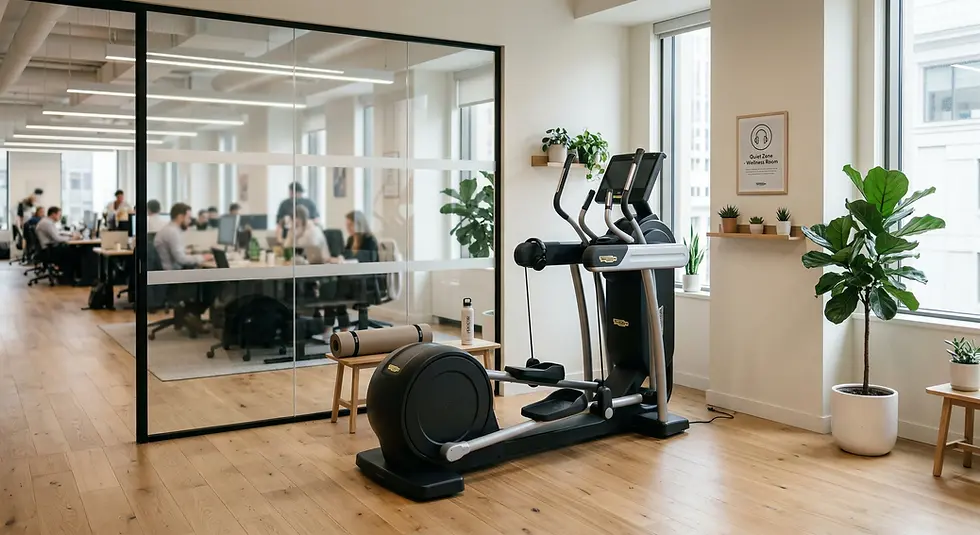
Office wellness rooms need cardio machines that run quietly and fit into small spaces. A commercial elliptical meets these needs because it delivers low-impact exercise without loud foot strikes or motor noise. Employees can work out without disturbing nearby offices or meetings.
Manufacturers build commercial-grade ellipticals for steady, daily use. They use durable frames, sealed bearings, and smooth drive systems to reduce vibration and sound. Many models also offer compact footprints, which help facility managers place them in limited rooms.
Ellipticals support joint-friendly movement that simulates walking or stair climbing. This makes them suitable for a wide range of fitness levels. Employees can adjust resistance and stride settings to match their comfort and goals.
Office settings benefit from simple consoles and low-maintenance designs. Facilities teams should look for machines that require minimal servicing and have clear user instructions. This keeps downtime low and encourages regular use.
Compact Weight Machines for Apartment Gyms

Apartment gyms need weight machines that save space and handle daily use. Property managers often choose compact, single-stack machines because they combine several exercises in one unit. These machines support chest, back, and leg workouts without taking up much floor space.
Adjustable cable systems also work well in small fitness rooms. They allow residents to train with different movements while using one frame. This setup reduces clutter and keeps the layout open.
Multi-gym units with built-in weight stacks help control noise and limit loose plates. Enclosed stacks improve safety and lower maintenance needs. Many models fit against a wall, which leaves room for free weights or cardio machines.
Durable frames and simple adjustment points matter in shared spaces. Residents have different strength levels, so clear labels and easy seat changes help them train without confusion. Compact design and practical features make these machines a smart choice for apartment gyms.
Heavy-Duty Treadmills for Large-Scale Facilities
Large fitness centers, university gyms, and high-traffic health clubs need treadmills built for constant use. Members walk, jog, and run on them all day. The equipment must handle this load without frequent breakdowns.
Heavy-duty commercial treadmills use strong frames, large running decks, and powerful motors. These features support users of different sizes and workout speeds. A solid motor and cooling system help the machine run for long hours.
Many models include advanced consoles with workout tracking, interval programs, and connectivity options. These features keep members engaged and support structured training. Facilities often choose units with simple controls to reduce user error.
Durability also affects long-term costs. Reliable treadmills reduce service calls and downtime. Established brands often design their commercial lines for busy gyms that value consistent performance over entry-level pricing.
Large facilities benefit from investing in treadmills rated for high-volume use. This approach supports member satisfaction and protects the equipment budget over time.
Functional Training Rigs for Boutique Studios
Boutique studios often rely on functional training rigs to anchor their floor plan. These rigs support group workouts, HIIT sessions, and strength circuits in one shared space. They act as both training stations and structural elements.
Most commercial rigs include pull-up bars, suspension points, and attachment options for bands or storage. Some models mount to the wall to save space, while others stand alone to create a central training hub. Compact footprints help studios keep clear walkways and open areas for movement.
Modular designs allow owners to scale as membership grows. They can add cross members, storage shelves, or extra stations without replacing the full system. This flexibility helps studios adjust programming without major layout changes.
Durable steel frames handle high traffic and repeated use. A well-planned rig improves flow, supports multiple users at once, and keeps equipment organized in tight studio settings.
Conclusion
Each facility type requires equipment that matches its space, budget, and member needs. Cardio, strength, and functional training form the core, but the mix changes based on whether the setting is a boutique studio, corporate gym, apartment fitness room, or full-scale health club.
Owners who focus on durability, user safety, and clear training goals make better long-term choices. When equipment aligns with the users and the facility’s purpose, it supports steady use, member satisfaction, and efficient operation.


Comments