
Alcohol Effects on Health: Short-Term vs Long-Term Risks (Liver, Heart, Brain & Cancer)
- Twishi Jain
- Feb 6
- 4 min read

Alcohol effects on health are widely discussed, yet often misunderstood. Drinking alcohol can affect nearly every organ in the body, with risks that increase as consumption rises. Scientific evidence shows that while some effects appear quickly, others develop silently over years. Understanding both short-term and long-term effects helps people make informed, safer choices.
What Is a “Standard Drink”?

Alcohol content varies by beverage. Health research uses the idea of a standard drink to compare intake across different types.
Beverage type | Typical alcohol % | Standard drink notes |
Beer | ~5% | ~330 ml (12 oz) |
Wine | ~12% | ~150 ml (5 oz) |
Spirits (vodka, whisky, rum) | ~40% | ~45 ml (1.5 oz) |
Understanding standard drinks helps avoid unintentional overconsumption, especially with strong or mixed drinks.
How Alcohol Affects the Body
After consumption, alcohol is rapidly absorbed from the stomach and small intestine into the bloodstream. It travels to the brain, where it alters chemical signaling responsible for judgment, mood, coordination, and reaction time.
The liver metabolizes most alcohol using enzymes that convert it into acetaldehyde, a toxic byproduct. Acetaldehyde is further broken down, but repeated exposure can damage cells and tissues. According to the World Health Organization, acetaldehyde plays a key role in alcohol-related organ damage and cancer risk.
Short-Term Effects of Alcohol (Within Hours)
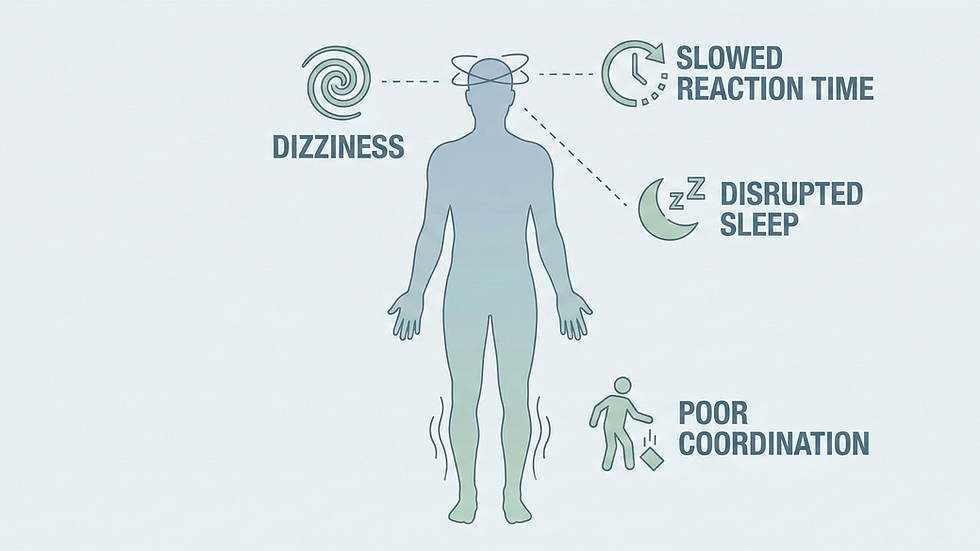
Short-term alcohol effects on health can appear even after small amounts, particularly in people with low tolerance.
Impaired coordination and reaction time, increasing accident and fall risk
Reduced judgment and decision-making, linked to injuries and unsafe behaviors
Dehydration, leading to headaches and fatigue
Sleep disruption, despite feeling drowsy initially
Gastrointestinal irritation, including nausea or acid reflux
Public health agencies such as the Centers for Disease Control and Prevention note that alcohol-related injuries and accidents are a major cause of preventable harm worldwide.
Long-Term Effects of Alcohol on Health

Effects on the Liver
The liver is particularly vulnerable because it processes alcohol directly.
Fatty liver disease may develop with regular drinking
Alcoholic hepatitis involves inflammation and liver cell damage
Cirrhosis, a severe and often irreversible condition, can occur after prolonged heavy use.
Effects on the Heart and Blood Pressure
Evidence shows a complex relationship between alcohol and heart health.
Regular drinking is associated with higher blood pressure
Increased risk of atrial fibrillation and other rhythm disturbances
Heavy drinking is linked with cardiomyopathy, a weakened heart muscle
Earlier studies suggested possible heart benefits from low intake, but newer analyses indicate these findings may be influenced by bias. Large-scale research, including studies published
Effects on the Brain and Mental Health
Alcohol affects brain structure and function over time.
Memory and learning difficulties may develop with long-term use
Associations exist between alcohol use and depression and anxiety
Risk of dependence increases with frequent or heavy drinking
According to the National Institutes of Health, long-term alcohol exposure can alter brain pathways involved in stress and emotional regulation.
Immune System, Gut, and Pancreas
Alcohol can weaken immune defenses, making infections more likely. It may also disrupt gut bacteria, contributing to inflammation. Long-term use is linked with pancreatitis, a painful and potentially serious condition affecting digestion and blood sugar control.
Alcohol and Cancer Risk

Alcohol is classified as a Group 1 carcinogen, meaning there is clear evidence it can cause cancer. The National Cancer Institute reports that alcohol consumption is linked with cancers of the:
Mouth and throat
Esophagus
Breast
Colon and rectum
Cancer risk increases with higher alcohol intake. Even low levels may raise risk for certain cancers, particularly breast cancer. The mechanism involves acetaldehyde, oxidative stress, and hormonal changes.
Who Should Avoid Alcohol Completely

Some individuals face higher risks and are advised to avoid alcohol entirely:
Pregnant or planning pregnancy
Children and adolescents
People with liver disease or pancreatitis
Those taking medications that interact with alcohol
Individuals with a history of alcohol dependence
Risk Reduction Tips

For those who choose to drink, evidence-based strategies can lower harm:
Choose lower amounts, as less is safer
Have alcohol-free days each week
Avoid binge drinking
Never drink and drive
Speak with a healthcare professional if taking medicines
When to Seek Help

Signs that may indicate alcohol use disorder include difficulty controlling intake, cravings, withdrawal symptoms, or continued use despite harm. Seeking professional support early can improve outcomes.
[Internal link: Alcohol addiction symptoms]
FAQs
Is any amount of alcohol safe for health?
Current evidence shows that no level of alcohol consumption is completely risk-free. Health risks increase with higher intake, and even low amounts may raise cancer risk. Many health authorities advise that drinking less reduces harm.
How does alcohol affect mental health?
Alcohol can temporarily change mood, but long-term use is associated with depression, anxiety, and sleep problems. It may also interfere with brain chemicals involved in emotional balance.
Does alcohol damage the liver in everyone?
Not everyone develops liver disease, but risk rises with amount and duration of drinking. Genetics, nutrition, and other health conditions also influence susceptibility.
Can alcohol affect sleep quality?
Yes. Alcohol may help people fall asleep faster, but it disrupts sleep cycles, leading to poorer sleep quality and frequent awakenings.
Is occasional drinking harmful?
Occasional low-level drinking carries lower risk than regular or heavy use, but it is not completely risk-free. Individual health factors matter.
How does alcohol increase cancer risk?
Alcohol is broken down into acetaldehyde, which damages DNA. It can also increase inflammation and alter hormone levels, contributing to cancer development.
Conclusion
Alcohol effects on health range from immediate impairment to long-term disease risks. Scientific evidence consistently shows that drinking less lowers harm, while higher intake increases the likelihood of serious conditions, including cancer. Understanding these effects helps individuals make informed, health-conscious decisions.
Medical Disclaimer
This article is for informational purposes only and does not provide medical advice, diagnosis, or treatment. Alcohol affects individuals differently based on health status, medications, and lifestyle. Readers should not draw conclusions based solely on this content and are advised to consult a qualified healthcare professional for personal medical guidance.
References
World Health Organization. Alcohol fact sheethttps://www.who.int/news-room/fact-sheets/detail/alcohol
Centers for Disease Control and Prevention. Alcohol use and your healthhttps://www.cdc.gov/alcohol/about-alcohol-use/index.html
National Institute on Alcohol Abuse and Alcoholism. Alcohol’s effects on the bodyhttps://www.niaaa.nih.gov/alcohols-effects-health/alcohols-effects-body
National Cancer Institute. Alcohol and cancer risk fact sheethttps://www.cancer.gov/about-cancer/causes-prevention/risk/alcohol/alcohol-fact-sheet
GBD 2016 Alcohol Collaborators. The Lancethttps://www.thelancet.com/article/S0140-6736(18)31310-2/fulltext
WHO Europe. No level of alcohol consumption is safe for healthhttps://www.who.int/europe/news/item/04-01-2023-no-level-of-alcohol-consumption-is-safe-for-our-health


Comments