
Dental Crown Pricing: What You Need to Know About Front Tooth Crowns
- plurefy com
- Dec 17, 2025
- 6 min read

Updated: Jan 9

When it comes to restoring your smile, dental crowns are a popular and effective solution. But if you’re considering a crown for your front tooth, you might be wondering about the cost and what factors influence it. We have gathered everything you need to know about dental crown pricing, especially for front teeth, to help you make an informed decision with confidence.
What Influences Dental Crown Pricing?

Dental crown pricing can vary widely depending on several factors. Understanding these can help you anticipate the cost and plan accordingly.
Material Used: Crowns can be made from different materials such as porcelain, ceramic, metal alloys, or a combination. Porcelain and ceramic crowns are often preferred for front teeth because they look natural, but they tend to be more expensive than metal crowns.
Location of the Tooth: Front teeth require crowns that match the natural color and translucency of your teeth, which can increase the cost compared to crowns for back teeth.
Dental Lab Fees: The quality and location of the dental lab that fabricates the crown can affect the price. Labs with advanced technology and skilled technicians may charge more.
Dentist’s Expertise: Experienced dentists or specialists may charge higher fees for their services.
Additional Procedures: Sometimes, extra treatments like root canals, tooth build-up, or gum contouring are needed before placing a crown, adding to the overall cost.
Knowing these factors helps you understand why dental crown pricing isn’t a one-size-fits-all figure. It’s tailored to your specific needs and the quality of care you receive.

Breaking Down Dental Crown Pricing for Front Teeth
For front teeth, the cost of a dental crown is usually higher because appearance matters just as much as strength. Matching color, shape, and translucency requires more precision and higher quality materials. Below is a general cost breakdown you can expect in the United States.
Porcelain or Ceramic Crowns - These are the most common options for front teeth because they closely resemble natural enamel. In the USA, prices typically range from $900 to $2,500 per crown, depending on the dentist and lab quality.
Porcelain-Fused-to-Metal (PFM) Crowns - PFM crowns combine a metal base with a porcelain outer layer. They are durable but may show a dark line near the gums over time. Costs usually fall between $800 and $1,800 per crown.
Metal Crowns - Metal crowns are rarely chosen for front teeth due to their appearance, but they are very strong. In the USA, these crowns generally cost between $700 and $1,500, though they are more commonly used for back teeth.
Zirconia Crowns - Zirconia crowns offer both strength and excellent aesthetics, making them a popular premium option for front teeth. Prices in the USA typically range from $1,200 to $3,000 per crown.
Keep in mind that prices can vary based on your city, the dentist’s experience, the dental lab used, and whether additional procedures are required. Dental insurance may cover part of the cost if the crown is medically necessary, so it’s always best to request a detailed estimate from your dentist before treatment.
Can You Get a Crown on Just One Front Tooth?
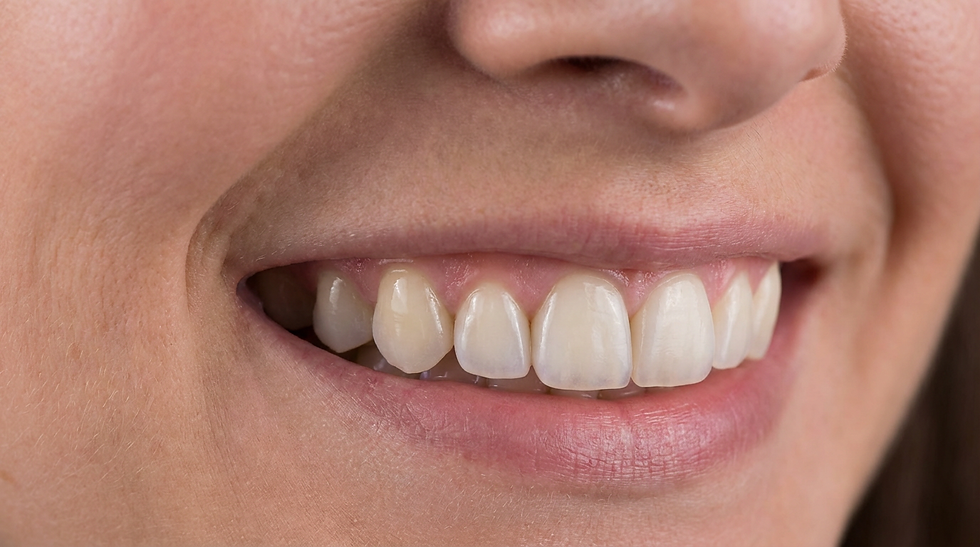
Absolutely! You don’t need to get crowns on multiple teeth if only one front tooth requires restoration. Dentists often recommend a crown for a single tooth when it’s damaged, decayed, or discoloured beyond what veneers or bonding can fix.
Here are some points to consider:
Matching the Crown: Your dentist will carefully match the crown’s colour and shape to your surrounding teeth to ensure a natural look.
Longevity: A single crown can last many years with proper care, protecting your tooth and improving your smile.
Cost-Effectiveness: Treating just one tooth can be more affordable than multiple crowns or other extensive dental work.
If you’re worried about how a single crown will look or feel, talk to your dentist. They can show you examples and explain the process to ease your concerns.
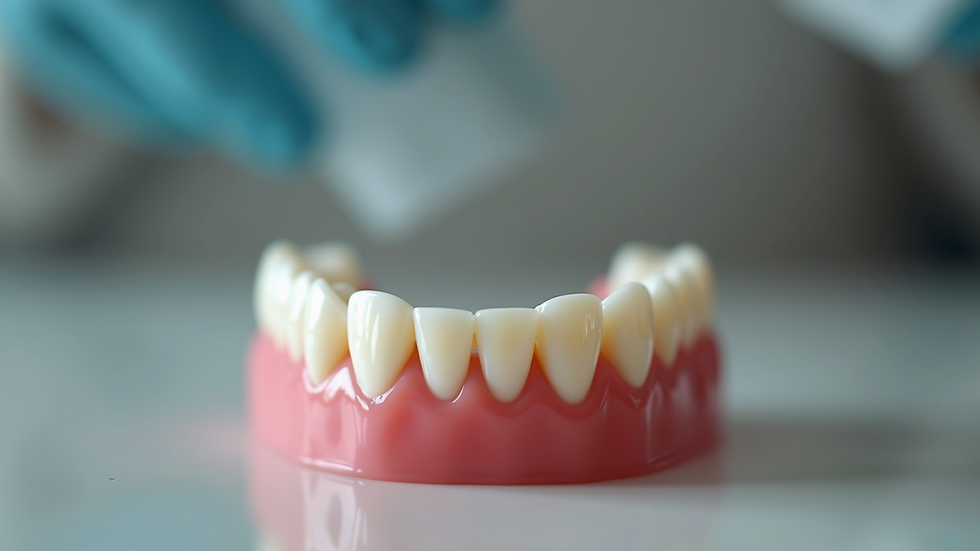
How to Manage the Cost of Front Tooth Crowns
Dental work can be an investment, but there are ways to manage the cost without compromising quality.
Dental Insurance: Check if your insurance plan covers crowns. Some plans cover a portion of the cost, especially if the crown is medically necessary.
Payment Plans: Many dental clinics offer payment plans or financing options to spread out the cost over time.
Compare Clinics: Don’t hesitate to get quotes from multiple dentists. Prices can vary, and you might find a good balance between cost and quality.
Preventive Care: Taking good care of your teeth can reduce the need for crowns or other expensive treatments in the future.
Ask About Materials: Discuss with your dentist the best material for your crown that fits your budget and aesthetic needs.
By being proactive and informed, you can find a solution that works for your smile and your wallet.
What to Expect During the Crown Procedure
Knowing what happens during the crown procedure can help you feel more comfortable and prepared.
Initial Consultation: Your dentist examines your tooth and takes X-rays to assess the damage.
Tooth Preparation: The tooth is shaped to make room for the crown. This may involve removing some enamel.
Impressions: An impression of your tooth is taken to create a custom crown that fits perfectly.
Temporary Crown: A temporary crown protects your tooth while the permanent one is being made.
Crown Placement: Once ready, the permanent crown is cemented onto your tooth. Your dentist will check the fit and bite.
Follow-Up: You may need a follow-up visit to ensure everything feels right.
The entire process usually takes two visits, spaced a couple of weeks apart. It’s straightforward and designed to restore your tooth’s function and appearance.
Taking Care of Your New Front Tooth Crown

After getting your crown, maintaining it is key to its longevity.
Good Oral Hygiene: Brush twice daily and floss carefully around the crown.
Avoid Hard Foods: Try not to bite down on very hard items like ice or hard candies.
Regular Dental Visits: Keep up with check-ups so your dentist can monitor the crown and your overall oral health.
Address Issues Early: If you notice sensitivity, discomfort, or the crown feels loose, contact your dentist promptly.
With proper care, your crown can last 10 to 15 years or even longer.
If you want to learn more about the front tooth crown cost, visiting trusted dental resources can provide detailed pricing and options tailored to your needs.
Taking the step to restore your smile with a front tooth crown is a positive move toward better oral health and confidence. With the right information and support, you can make choices that suit your lifestyle and budget.
FAQs
How long does it take to adjust to a front tooth crown?
Most people adjust within a few days. Initially, you may notice slight sensitivity or feel that the tooth is different when biting, but this usually settles as your mouth adapts.
Will a front tooth crown stain over time?
Porcelain, ceramic, and zirconia crowns are highly stain resistant. However, the natural teeth around them can stain, which may create contrast over time. Regular cleaning helps maintain a consistent appearance.
Can a front tooth crown be whitened?
No. Dental crowns do not respond to whitening treatments. If you plan to whiten your teeth, it’s best to do so before getting the crown so the shade can be matched accurately.
Is getting a crown on a front tooth painful?
The procedure is typically not painful because local anesthesia is used. Some mild soreness or sensitivity afterward is normal and usually fades within a few days.
What happens if my front tooth crown chips or cracks?
Minor chips may be polished or repaired, but larger damage often requires crown replacement. Avoid biting hard objects to reduce this risk.
Can I eat normally with a front tooth crown?
Yes, once the crown is fully placed and adjusted. Dentists recommend avoiding very hard or sticky foods, especially during the first few days.
How natural will my smile look after a front tooth crown?
Modern crowns are designed to mimic the shape, color, and translucency of natural teeth. When done properly, most people cannot tell a crown apart from a real tooth.
Is a crown better than a veneer for a front tooth?
A crown is usually recommended when the tooth is weak, heavily damaged, or structurally compromised. Veneers are more suitable for cosmetic improvements when the tooth is otherwise healthy.
Can a crown fall off?
It is uncommon, but possible if the cement weakens or the tooth underneath changes. If this happens, contact your dentist immediately and avoid using adhesive products at home.
Do front tooth crowns require special cleaning tools?
No special tools are required, but using floss carefully and maintaining regular dental cleanings helps protect both the crown and surrounding gums.
Disclaimer
This article is for informational purposes only and does not replace professional dental advice.
References
American Dental Association. Dental Crowns: Types, Uses, and Care. Available at: https://www.ada.org/resources/ada-library/oral-health-topics/crownsAccessed
Cleveland Clinic. Dental Crowns: Procedure, Types, Costs, and Care. Available at: https://my.clevelandclinic.org/health/treatments/10915-dental-crownsAccessed
Mayo Clinic. Oral Health Basics and Dental Restorations. Available at: https://www.mayoclinic.org/healthy-lifestyle/adult-health/in-depth/dental/art-20047475Accessed
WebMD. Dental Crowns: What to Know About Cost, Types, and Procedure. Available at: https://www.webmd.com/oral-health/guide/dental-crownsAccessed
Healthline. Dental Crowns: Types, Lifespan, and Care Tips. Available at: https://www.healthline.com/health/dental-and-oral-health/dental-crownAccessed
GoodRx Health. How Much Do Dental Crowns Cost in the U.S.? Available at: https://www.goodrx.com/conditions/dental-care/dental-crown-costAccessed
Colgate Oral Care Center. Caring for Dental Crowns and Restorations. Available at: https://www.colgate.com/en-us/oral-health/dental-visits/dental-crownsAccessed


Comments