
Tea for Sore Throat: Home Remedies & Relief Guide
- plurefy com
- 2 minutes ago
- 4 min read


A sore throat — marked by pain, scratchiness, and difficulty swallowing — is most often caused by viral infections like the common cold or flu. While it typically resolves within a week, the right cup of tea paired with simple home remedies can bring fast, natural relief. Here's everything you need to know.
Why Tea Works for Sore Throats

Warm liquids keep the throat moist, reducing irritation and pain.
Many teas contain antioxidants that help the body fight off infections.
Anti-inflammatory compounds in herbal teas reduce swelling and redness.
Tea is a perfect base for honey — a natural antibacterial soothing agent.
Steam from a hot cup also helps loosen congestion and ease breathing.
Best Teas for Sore Throat Relief
Ginger Tea — Best Overall

Contains gingerols and shogaols with proven anti-inflammatory and antimicrobial properties.
Helps fight infections, reduce throat pain, and ease congestion.
How to make: Boil crushed fresh ginger in water for 5–10 mins. Drink 3–4x daily.
Add honey + lemon for extra healing power and better taste.
Honey & Lemon Tea — Most Soothing

Honey coats the throat lining, reducing irritation and providing antibacterial protection.
Lemon provides vitamin C and helps cut through mucus.
Studies show honey may work better than some antihistamines for cold symptoms.
How to make: Mix 1–2 tsp raw honey + fresh lemon juice in warm (not boiling) water.
Note: Never give honey to children under 1 year old
Chamomile Tea — Best for Relaxation & Inflammation

One of the oldest herbal remedies with antioxidant, anti-inflammatory, and sedative properties.
Lubricates the throat to ward off hoarseness and pain.
Antispasmodic properties help reduce coughing.
Stimulates the immune system to fight the infection causing sore throat.
Bonus: Inhaling chamomile steam can also provide relief.
Green Tea — Best Antioxidant Option

Rich in catechins and glycoproteins with powerful anti-inflammatory effects.
Studies show gargling green tea significantly reduces sore throat pain.
How to use: Brew, let cool slightly, gargle for several seconds, spit out. Repeat 2–3x.
Also great to simply sip for hydration and immune support.
Licorice Root Tea — Best for Strep Throat

Found to be one of the most effective herbal teas at inhibiting Streptococcus bacteria.
Has antibacterial, antiviral, and anti-inflammatory properties.
Can be sipped or gargled for post-surgery or infection-related sore throat.
How to make: Steep 1 tsp ground licorice root in hot water for 5 mins, then strain.
Caution: Avoid in large amounts if you have heart or kidney conditions.
Peppermint Tea — Best for Numbing Pain

Menthol in peppermint naturally numbs the throat and creates a cooling sensation.
Helps thin mucus and soothes coughs and sore throat pain.
Has antibacterial and anti-inflammatory properties.
Great for opening nasal passages when congestion accompanies a sore throat.
Turmeric Tea (Golden Milk Tea) — Best Anti-Inflammatory
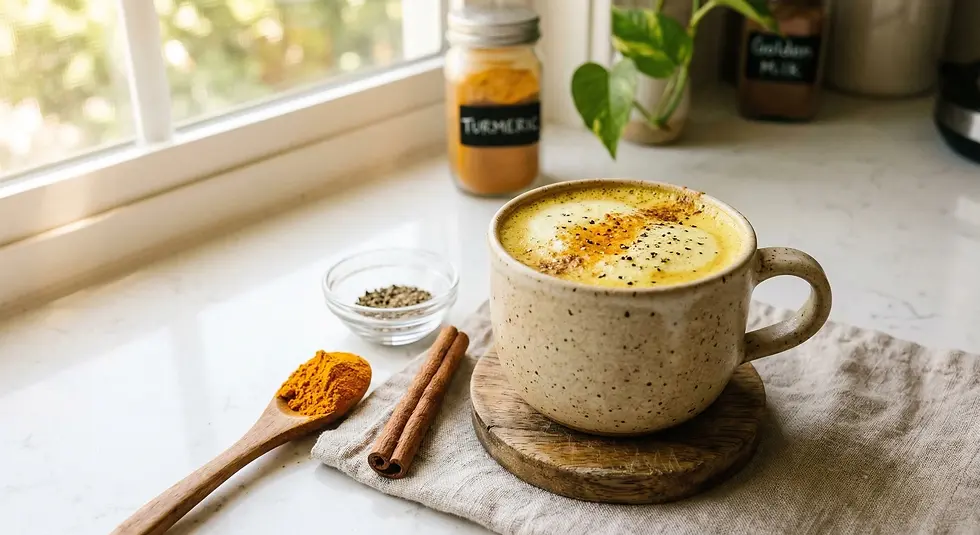
Curcumin in turmeric has potent antioxidant, anti-inflammatory, and antiseptic properties.
Helps reduce throat pain and swelling effectively.
How to make: Simmer 1 tsp turmeric powder in 2 cups water for 5 mins, strain, add honey.
Combine with black pepper to boost curcumin absorption.
Slippery Elm Tea — Best Throat Coating
Contains mucilage that turns gel-like in water, coating and protecting the throat lining.
Rated more soothing than regular tea in studies on throat irritation.
Ideal for dry, raw, scratchy throat pain.
Available in health food stores as tea bags or powder.
Black Tea — Widely Available & Effective
Comes from the same plant as green tea but is more oxidized.
Has demonstrated antimicrobial properties against multiple bacterial strains.
Tannic acid in black tea helps reduce inflammation.
Best enjoyed warm with a drizzle of honey.
Quick Reference: Best Tea by Symptom
Pain & swelling → Ginger Tea, Turmeric Tea, Chamomile Tea.
Coating / dry throat → Slippery Elm Tea, Honey-Lemon Tea.
Bacterial / strep → Licorice Root Tea, Black Tea.
Congestion & stuffiness → Peppermint Tea.
Immune support → Green Tea, Turmeric Tea.
Cough & relaxation → Chamomile Tea, Peppermint Tea.
Other Proven Home Remedies for Sore Throat
Salt Water Gargle

One of the most effective, evidence-backed home remedies.
Salt draws out fluid from throat tissues, reducing swelling.
How to use: Dissolve ½ tsp salt in 8 oz warm water. Gargle for 30 seconds, 3–4x daily.
Garlic
Contains allicin — a powerful compound that fights viral and bacterial infection.
Best consumed raw: Chew or suck on a garlic clove 2–3x daily.
Can also be added fresh to soups, broths, or teas.
Steam Inhalation

Breathing in steam moistens the throat and soothes irritated tissues.
Add a few drops of eucalyptus or peppermint oil for extra relief.
Use a bowl of hot water with a towel over your head, or a warm shower.
Warm Broths & Liquids
Chicken broth and warm soups keep the throat moist and provide hydration.
Warm liquids are gentler on an inflamed throat than cold beverages.
Stay well-hydrated throughout the day — at least 8 glasses of fluids.
Cool-Air Humidifier
Adds moisture to dry air, preventing throat tissues from drying out overnight.
Especially helpful in winter when indoor air is very dry.
Clean your humidifier regularly to prevent mold and bacteria buildup.
Rest & Voice Care
Rest is the most powerful healer — your immune system works best when you sleep.
Avoid talking excessively or whispering (whispering strains vocal cords more).
Stay away from irritants like cigarette smoke, pollution, and dry air.
Pro Tips for Maximum Relief
Always add raw honey to your tea — it's a natural antibacterial and coats the throat.
Drink tea warm, not scalding hot — extremely hot liquids can worsen throat irritation.
Sip frequently throughout the day rather than drinking large amounts at once.
Combine teas: ginger + honey + lemon is the ultimate sore throat blend.
Avoid caffeinated teas if you're trying to sleep — opt for chamomile or herbal blends at night.
Add a small pinch of black pepper to turmeric tea to enhance its healing effect.
When to See a Doctor

Home remedies are great, but seek medical attention if:
Sore throat lasts more than 7 days or keeps getting worse.
Accompanied by high fever (above 101°F / 38.3°C), chills, or rash.
You have difficulty swallowing, breathing, or opening your mouth.
There is swelling of the face or neck, earache, or joint pain.
You notice white or yellow patches on the tonsils (possible strep throat).
Symptoms improve but then return — may indicate a secondary infection.
Disclaimer
This article is for informational purposes only and is not a substitute for professional medical advice, diagnosis, or treatment. Always consult a qualified healthcare provider for any health concerns.



Comments