
How Can Schools Help Kids with Speech and Communication Disorders
- Twishi Jain
- Feb 12
- 4 min read

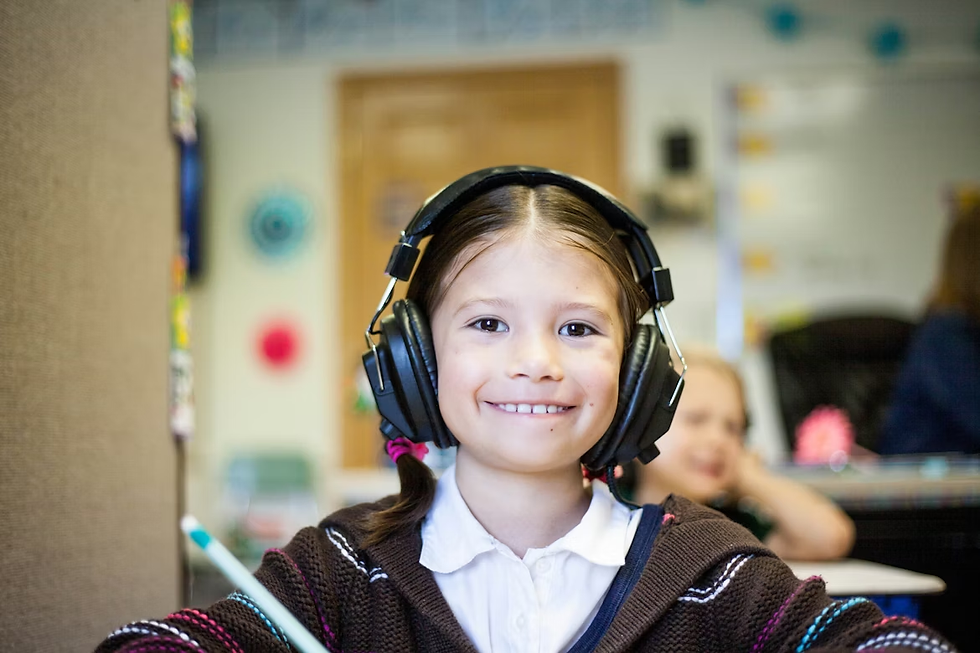
If you have ever watched a child struggle to express a simple idea, you know how heartbreaking it can feel. Words matter as they help kids share feelings, ask for help, and build friendships. When speech or communication becomes difficult, school can start to feel overwhelming for these young minds.
A national poll reveals that more than 60 percent of people in America, aged 18 years and older, have hearing, speech, or language disorders. This group says that they encounter stigmas due to these disorders. For kids, the reality is often similar, as many students with communication challenges are bright and curious, yet they often feel misunderstood.
Having a communication or speech disorder can affect confidence, grades, and social life. But thankfully, schools can make a real difference for these individuals. With the right support, children can grow into confident communicators.
In this article, we will discuss a few practical ways schools can better support students with speech and communication disorders.
Start with Early Screening and Support
Research shows that children with developmental language disorder (DLD) aged 4 to 6 are at a significantly higher risk for learning disabilities. The same is often seen in the case of speech and communication disorders.
However, the sooner a child’s speech or communication difficulty is noticed, the easier it is to address.
Many children struggle silently for years before getting help. By that time, frustration and self-doubt may already be present. Regular screening in early grades can change this pattern.
Teachers and staff should be trained to recognize warning signs. These might include unclear speech, limited vocabulary, or trouble following conversations. When schools take these signs seriously, they can act quickly.
Referrals to specialists should happen without delay. Parents also need to be part of this process. Clear communication between school and home builds trust. When everyone works together early, children feel supported instead of singled out.
Bring in a Full-Time Speech Pathologist
In the US, the average salary for a speech-language pathologist is more than $52 per hour. An expensive investment, true, but having a full-time speech pathologist on campus can transform how schools support communication needs.
When specialists are present every day, students receive consistent care. They do not have to wait weeks between sessions. This steady support helps children practice skills regularly. It also allows therapists to work closely with teachers. Together, they can adapt lessons and classroom routines.
Many speech-language pathologists pursue advanced education to better serve students. Some complete a master of speech-language pathology online to balance work and learning. Through speech language pathology (SLP) training, they gain deeper insight into communication disorders and speech pathology.
According to Marymount University, these degrees teach professionals how to identify and prevent communication as well as swallowing disorders in school-age children. This ongoing learning helps professionals stay updated and provide high-quality care to every child.
Create Communication-Friendly Classrooms
A supportive classroom can make a huge difference for students with speech challenges. Teachers do not need to become therapists to help. Small changes in daily routines can have big effects.
Speaking clearly and at a steady pace helps students follow lessons. Visual aids can support understanding, while simple charts, pictures, and written instructions give students extra guidance.
Classrooms should also encourage patience. Students must feel safe taking time to express themselves.
Rushing answers or finishing sentences for them can hurt confidence. Instead, teachers can model respectful listening.
Group activities should include clear roles so every child can participate. When classmates learn to listen kindly, social barriers start to fall, and over time, students realize that communication is not about perfection.
Strengthen Partnerships with Families
Parents and caregivers know their children better than anyone. Schools that value this knowledge create stronger support systems.
Regular communication between teachers, therapists, and families is essential. Updates about progress and challenges help everyone stay aligned. Meetings should feel welcoming, not intimidating.
Schools can also guide families on how to support speech development at home. Simple activities like reading together or practicing conversations can help.
When families understand therapy goals, they can reinforce them daily. This consistency speeds up progress. It also shows children that everyone is on their team. When school and home work as partners, students feel secure, and that sense of security fuels motivation and emotional growth.
Build an Inclusive and Respectful School Culture
A child’s success depends not only on services but also on attitudes. Schools must actively promote inclusion and kindness. Students with communication disorders often face teasing or isolation. Even small comments can leave lasting scars.
Clear anti-bullying policies are important, as is teaching empathy from an early age. Lessons on diversity should include different ways people communicate. When students learn that everyone is unique, acceptance grows.
Peer mentoring programs can also help. Pairing students encourages friendship and mutual respect. Celebrating effort rather than perfection changes the tone of learning. When schools honor progress, students feel proud of themselves, and an inclusive culture tells children that their voices matter, no matter how they sound.
FAQs
How do speech disorders develop in kids?
Speech disorders in children can develop due to genetic factors, hearing problems, developmental delays, or neurological conditions. Limited language exposure, premature birth, and frequent ear infections may also affect speech development. Sometimes, the exact cause is unclear, and multiple factors work together.
What can parents do to help kids with speech disorders?
Parents can help by speaking clearly, reading aloud daily, and encouraging conversation. They should listen patiently, avoid correcting harshly, and model proper speech. Working closely with speech therapists, practicing exercises at home, and creating a supportive environment greatly improve progress.
How does speech therapy work for kids?
Speech therapy helps children improve communication through structured activities and personalized exercises. Therapists use games, pictures, and repetition to build sounds, words, and sentences. Sessions focus on pronunciation, understanding language, and confidence, while parents are guided to support practice at home.
Helping children with speech and communication disorders is not at all about fixing them. Instead, it is, and should be, about understanding their young minds.
Schools have incredible power to shape these experiences. None of the steps we have discussed above works alone. Together, however, they form a network of care and respect.
When schools invest in communication support, they invest in confidence, friendships, and future success. Every child deserves to be heard, and with the right approach, schools can make sure no voice is left behind.


Comments