
Is Thai Food Healthy?
- plurefy com
- Dec 30, 2025
- 7 min read

Updated: Jan 9

Thai food is one of the most popular cuisines in the world. It is famous for its bold flavors—a mix of sweet, salty, sour, and spicy. When you walk into a Thai restaurant, the smell of lemongrass, ginger, and garlic immediately tells you that you’re in for a treat. But if you are trying to eat better, you might wonder: is Thai food healthy?
The short answer is: Yes, Thai food can be very healthy. In fact, many traditional Thai dishes are packed with vegetables, lean proteins, and medicinal herbs. However, like any cuisine, there are some "hidden" traps. Some dishes are loaded with sugar, salt, and heavy fats that can quickly turn a healthy meal into a high-calorie one.
In this blog, we will break down the nutrition of Thai food, show you the best and worst dishes for your health, and give you expert tips on how to order like a pro.
What Makes Thai Food Unique?
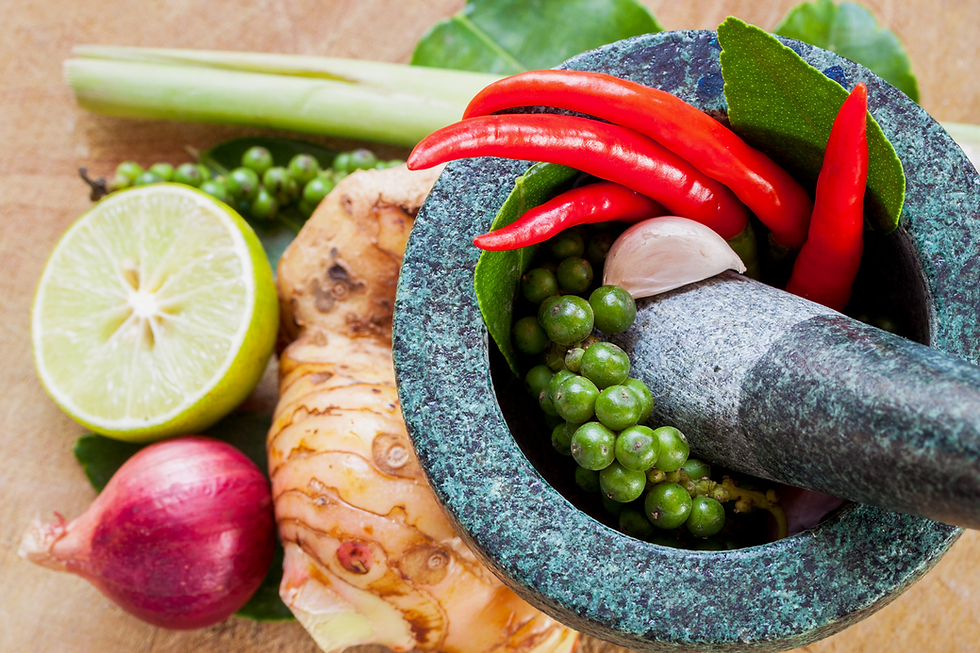
Thai cooking is based on the idea of balance. A traditional Thai chef tries to balance four main flavors in every meal:
Salty (usually from fish sauce or soy sauce)
Sweet (usually from palm sugar or fruit)
Sour (usually from lime or tamarind)
Spicy (usually from fresh or dried chilies)
This balance isn't just about taste; it’s also about health. Thai food uses a huge variety of fresh herbs and spices that you won't find in typical Western cooking. These ingredients are the "secret weapons" of Thai nutrition.
Nutrition Breakdown: A Look at Popular Dishes
To understand if Thai food is healthy, we have to look at the numbers. Below is a nutrition table for common Thai dishes (average serving sizes).
Dish | Estimated Calories | Protein (g) | Total Fat (g) | Carbs (g) | Sodium (mg) |
Tom Yum Soup (Shrimp) | 150 | 15 | 4 | 10 | 900 |
Som Tam (Papaya Salad) | 160 | 4 | 5 | 25 | 600 |
Chicken Satay (4 skewers) | 300 | 25 | 15 | 10 | 500 |
Pad Thai (Chicken) | 800 - 950 | 30 | 35 | 100+ | 1,500+ |
Green Curry (Chicken) | 600 - 800 | 25 | 45 | 30 | 1,200 |
Stir-Fry Basil (Chicken) | 350 | 25 | 18 | 15 | 900 |
Note: Nutrition values can vary greatly depending on the restaurant's recipe and portion size.
The Amazing Health Benefits of Thai Food

Traditional Thai cuisine offers several science-backed health benefits. Here is why Thai food is often considered a "superfood" diet:
1. High in Antioxidants and Herbs
Thai food relies heavily on "functional foods." These are ingredients that provide health benefits beyond basic nutrition.
Lemongrass: Contains compounds that may help fight bacteria and fungus.
Galangal: A cousin of ginger, it is known for its anti-inflammatory properties and its ability to help with digestion.
Turmeric: Found in many curries, turmeric contains curcumin, which is a powerful anti-inflammatory that supports heart and brain health.
2. Heart-Healthy Spices
Chilies are a staple in Thai food. They contain capsaicin, which has been shown to boost metabolism and improve heart health by reducing blood pressure and cholesterol.
3. Lean Protein Sources
Unlike many Western diets that rely on heavy red meats, Thai food focuses on fish, shrimp, chicken, and tofu. These are great for building muscle and keeping you full without the high saturated fat found in steak or pork.
4. Vegetable-Forward
Traditional Thai dishes like Som Tam (Papaya Salad) or vegetable stir-fries are loaded with fiber. High-fiber diets are essential for gut health and weight management.
Potential Health Concerns: The "Hidden" Risks
If Thai food is so great, why do people sometimes gain weight or feel bloated after eating it? There are four main reasons:
1. High Sodium
The primary source of salt in Thai food is fish sauce (nam pla). While it adds incredible flavor, just one tablespoon has about 1,400mg of sodium. Since the daily recommended limit is 2,300mg, one salty Thai meal can put you over your limit for the whole day.
2. Added Sugars
To balance the heat of the chilies, many chefs add large amounts of palm sugar. Dishes like Pad Thai and Green Curry are often much higher in sugar than people realize. In some cases, a single serving of Pad Thai can have as much sugar as a soda.
3. Coconut Milk and Saturated Fat
Thai curries (Red, Green, Yellow, and Panang) use coconut milk as a base. While coconut milk has some benefits, it is very high in calories and saturated fat. If you eat a large bowl of curry with extra rice, you are consuming a high-calorie "fat bomb."
4. Deep-Fried Appetizers
Spring rolls, fried wontons, and "money bags" are delicious, but they are deep-fried in refined oils. These add empty calories and trans fats to your meal.
Best Thai Food Choices for Your Health
If you want to stay on track with your diet, here are the "Gold Medal" choices you should look for on the menu:
The "Best" Choices (Low Calorie & Nutrient Dense)
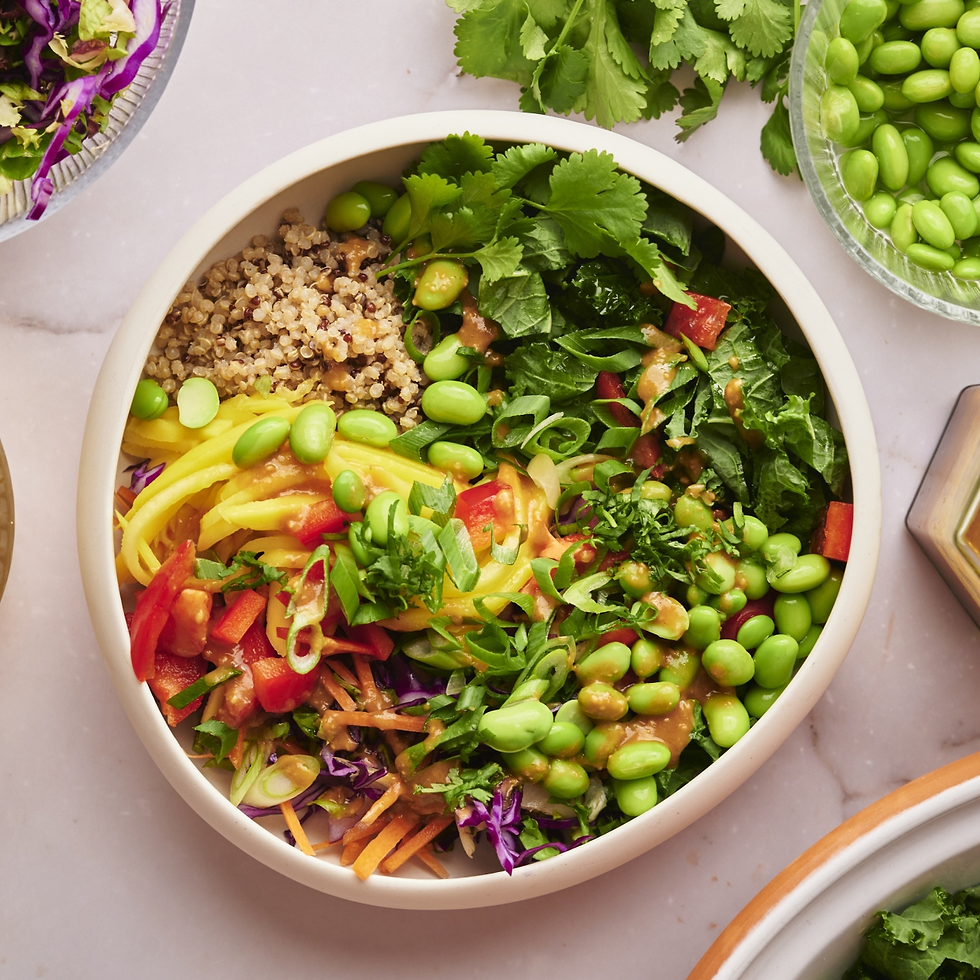
Tom Yum Soup: A clear, spicy, and sour broth. It is very low in calories and high in herbs.
Tom Kha (Clear version): Usually made with coconut milk, but you can ask for a "clear" broth version or a light splash of coconut milk.
Larb: A minced meat salad (usually chicken or lime) flavored with lime, chilies, and mint. It is high in protein and very low in carbs.
Steamed Fish with Lime: Often called Pla Nueng Manao, this is one of the healthiest things you can eat. It is pure protein and citrus.
Stir-fried Vegetables with Tofu: Ask for "light sauce" to keep the sodium and sugar down.
The "Moderate" Choices
Chicken Satay: High in protein, but the peanut sauce can be high in sugar and fat. Use the sauce sparingly.
Cashew Chicken: Great for protein and healthy fats from the nuts, but the sauce is often thick and sugary.
Beef Salad (Yam Nua): Lean beef and lots of veggies, though the dressing can be salty.
Worst Thai Dishes for Your Health
If you are watching your weight or heart health, try to limit these dishes or share them with a friend:
❌ Pad Thai
This is the most famous dish, but it’s essentially a pile of rice noodles (simple carbs) fried in oil, sugar, and salt. It lacks significant fiber and is very easy to overeat.
❌ Green or Massaman Curry
Because of the heavy coconut cream and added sugar (and potatoes in Massaman), these are very calorie-dense. A single bowl can easily reach 800 calories before you even add rice.
❌ Pad See Ew
Like Pad Thai, these wide rice noodles are stir-fried in a lot of oil and sweet soy sauce. It is very high in sodium and refined carbohydrates.
Is Thai Food Healthy for Weight Loss?

Yes, Thai food can be excellent for weight loss if you follow these simple rules:
Skip the Rice (or choose Brown Rice): White rice is a refined carb that can spike your insulin. If the restaurant has brown rice or "Riceberry" (a Thai purple rice), choose that for the extra fiber. Better yet, eat your stir-fry with extra veggies instead of rice.
Broth over Cream: Choose clear soups (Tom Yum) over creamy curries.
Watch the Portions: Thai restaurants in the West often serve huge portions. Eat half and take the rest home.
Drink Water or Unsweetened Tea: Avoid the "Thai Iced Tea," which is loaded with condensed milk and sugar.
Thai Food and Specific Diets

Thai cuisine is surprisingly flexible for modern dietary needs:
Keto / Low-Carb: Focus on Larb, Satay (no sauce), and grilled meats (Crying Tiger beef). Avoid rice, noodles, and sugary curries.
Vegetarian / Vegan: Most Thai dishes can be made with tofu. Just be careful to ask for "no fish sauce" and "no shrimp paste," as these are in almost everything.
Gluten-Free: Since Thai food uses rice noodles instead of wheat noodles, it is naturally very gluten-free friendly. However, check that they use gluten-free soy sauce or tamari.
Expert Opinion: What the Professionals Say
Registered Dietitians often recommend Thai food because of its "whole food" approach.
"Thai food is a fantastic option for people looking to increase their intake of anti-inflammatory spices," says Sarah Jenkins, a Registered Dietitian. "The key is to treat the rice and noodles as a small side dish rather than the main event. Focus on the 'holy trinity' of Thai health: The herbs, the lean protein, and the steamed vegetables."
Frequently Asked Questions (FAQ)
Is Thai food healthier than Chinese food?
Generally, yes. Thai food uses more fresh herbs, more steaming, and less heavy breading/deep-frying than typical American-Chinese food. However, both can be unhealthy if they use too much sugar and oil.
Is Pad Thai healthy?
Unfortunately, no. Most restaurant Pad Thai is very high in calories, sugar, and sodium. It is best enjoyed as an occasional treat rather than a healthy staple.
Is Thai curry healthy?
The ingredients in Thai curry (turmeric, ginger, chilies) are very healthy. However, the high amount of coconut milk and sugar makes it very high in calories. If you eat it, try to stick to a small portion.
Does Thai food cause weight gain?
Only if you overeat the high-carb (noodles/rice) and high-fat (coconut curry) dishes. If you stick to grilled meats, salads, and clear soups, it can actually help with weight loss.
Conclusion: How to Enjoy Thai Food the Healthy Way
Thai food is a gift to your taste buds and can be a gift to your health as well. To get the most out of your next
Thai meal:
Start with a Tom Yum soup to fill up on healthy broth.
Choose grilled or steamed protein over fried.
Ask for extra vegetables in your stir-fry.
Be mindful of portion sizes with noodles and rice.
By making these simple swaps, you can enjoy the vibrant, spicy, and delicious world of Thai cuisine while still reaching your health goals.
Medical Disclaimer
The information in this article is for educational and informational purposes only and is not intended as medical or nutritional advice. It should not be used to diagnose, treat, cure, or prevent any health condition. Individual nutritional needs vary based on age, medical history, activity level, and other factors. Always consult a qualified healthcare professional or registered dietitian before making significant changes to your diet, especially if you have a medical condition, food allergy, or are taking medication.
References
Harvard T.H. Chan School of Public Health – Healthy Eating Plate & Asian Diets https://www.hsph.harvard.edu/nutritionsource/healthy-eating-plate/
National Institutes of Health (NIH) – Diet and Health https://search.nih.gov/search?utf8=%E2%9C%93&affiliate=nhlbi_nhlbi_prod&query=diet+and+health&commit=Search
World Health Organization – Healthy Diet Guidelines https://www.who.int/news-room/fact-sheets/detail/healthy-diet
British Nutrition Foundation – Asian Diets and Health https://www.nutrition.org.uk/healthy-sustainable-diets/asian-diets/


Comments