
What Are the Most Common Mistakes People Make While Wearing Braces?
- Vaibhav Sharma

- Feb 26
- 4 min read
Updated: Feb 28

Braces are a widely used orthodontic treatment designed to correct misaligned teeth, improve bite function, and enhance oral health. While braces are highly effective, achieving the best results requires careful attention and adherence to professional guidance. Many patients make unintentional mistakes during treatment, which can prolong the process or create additional dental issues. Understanding these common errors is essential for anyone undergoing orthodontic care.
1. Poor Oral Hygiene

One of the most frequent mistakes made while wearing braces is inadequate oral hygiene. Brackets, wires, and other orthodontic appliances create nooks and crevices where food particles and plaque can accumulate. Failing to brush and floss properly can lead to cavities, gum inflammation, and white spots on teeth, which may become permanent.
Patients seeking affordable braces care in Fort Lauderdale are often advised to follow a strict oral hygiene routine, including brushing after every meal, using interdental brushes, and flossing carefully around brackets and wires. Maintaining excellent hygiene reduces the risk of complications and ensures that teeth remain healthy throughout treatment.
Neglecting oral care can also result in more frequent dental visits for cleanings or restorative procedures, which may extend the overall time required to complete orthodontic treatment. Consistent care is therefore essential not only for aesthetics but also for long-term dental health.
2. Eating the Wrong Foods

Dietary mistakes are another common issue during orthodontic treatment. Hard, sticky, or chewy foods can damage braces, bending wires or loosening brackets. Examples include nuts, popcorn, hard candies, caramel, and chewing gum. Such damage can interrupt treatment progress and may require emergency visits to repair appliances.
Even foods that seem harmless, like raw vegetables or certain fruits, should be consumed carefully. Cutting items into smaller pieces and chewing slowly can help prevent accidental damage. Understanding which foods to avoid and modifying eating habits are important steps in ensuring that braces work effectively.
Orthodontic care, including braces, requires cooperation from the patient. Poor food choices not only risk appliance damage but also increase the chance of staining or discoloration around the brackets, which can affect the final cosmetic outcome.
3. Missing Appointments or Ignoring Adjustments
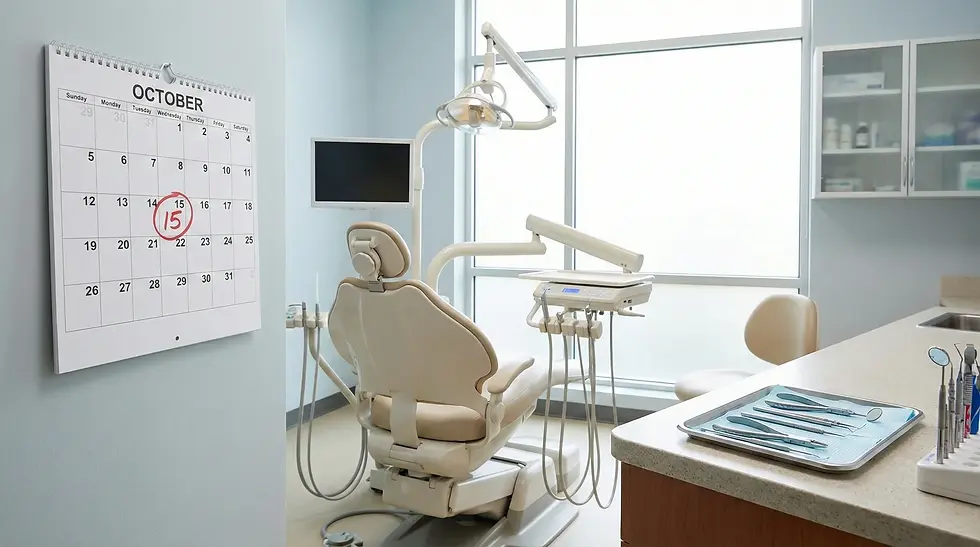
Another frequent mistake is skipping scheduled orthodontic appointments or delaying adjustments. Regular check-ups are essential for monitoring progress, tightening wires, and making necessary changes to the treatment plan. Missing appointments can slow tooth movement, extend treatment duration, and sometimes compromise results.
Even seemingly minor issues, such as a loose bracket or a poking wire, should not be ignored. Promptly addressing these problems allows the orthodontist to maintain consistent treatment progress. Patients who delay or avoid appointments often find that their treatment takes longer and may require additional interventions to correct unexpected issues.
Consistency is key to successful braces treatment. Following the orthodontist’s schedule ensures that teeth move according to plan and reduces the risk of setbacks that can make correction more complicated.
4. Not Following Instructions for Appliances

Orthodontic treatment often involves additional appliances, such as elastics, headgear, or retainers. A common mistake is failing to wear these as instructed. For example, elastics are designed to correct bite alignment, and improper or inconsistent use can slow treatment or prevent the desired results.
Similarly, failing to use retainers after braces are removed can result in teeth gradually shifting back toward their original positions. Orthodontists provide these tools for a reason, and adhering to their guidance ensures the long-term stability of results.
Patients who understand the importance of these supplemental appliances and follow the instructions carefully generally experience smoother treatment progress and more predictable outcomes. In contrast, ignoring instructions can extend treatment and even require corrective measures after braces are removed.
5. Relying Solely on Braces Without Preventive Care

Some patients assume that wearing braces alone will solve all dental issues. While braces are effective for alignment and bite correction, they do not prevent cavities, gum disease, or other oral health problems. Regular dental check-ups, professional cleanings, and preventive care remain essential throughout treatment.
Failing to maintain general dental health can complicate orthodontic care. Cavities, infections, or gum disease may necessitate pausing or modifying the braces treatment plan, ultimately prolonging the process. Maintaining routine dental care alongside orthodontic treatment ensures optimal results and preserves the health of teeth and gums.
6. Unintentional Habits That Interfere With Braces

Certain everyday habits can also negatively impact braces. Nail-biting, chewing on pens or pencils, and using teeth to open packages can all cause damage. Even seemingly minor actions can bend wires, loosen brackets, or create discomfort.
Educating oneself about these habits and actively working to avoid them can reduce the likelihood of treatment setbacks. Developing careful habits around oral behavior supports both the health of the teeth and the efficiency of braces.
Conclusion

Wearing braces requires commitment, patience, and careful attention to daily habits. Common mistakes include inadequate oral hygiene, consuming damaging foods, missing appointments, ignoring appliance instructions, relying solely on braces without preventive care, and engaging in unintentional habits that interfere with treatment. Each of these errors can prolong treatment, create complications, or impact the final outcome.
Maintaining a consistent oral hygiene routine, following dietary and appliance instructions, attending all scheduled visits, and addressing any issues promptly are critical for achieving the best results. By understanding these common pitfalls and taking proactive steps, patients can ensure that their braces treatment is effective, efficient, and supports long-term dental health.
Medical Disclaimer:
This article is intended for informational purposes only and does not constitute medical or dental advice. Always consult a qualified orthodontist or dental professional regarding your specific condition, treatment options, and oral health concerns. Do not disregard professional advice or delay seeking care based on information provided here.


Comments