
Why Do My Eyes Burn?
- Twishi Jain
- Sep 11, 2025
- 6 min read


Have you ever wondered, "Why do my eyes burn?" This uncomfortable sensation is a common issue that many people face. The feeling of burning eyes can vary from mild irritation to persistent, aggravating discomfort. Understanding the causes and how to address them can provide relief and comfort. In this article, we'll explore the reasons behind burning eyes, identify symptoms of eye strain, and discuss effective treatments for dry eyes, while offering practical prevention tips.
Common Causes of Burning Eyes
Burning eyes can be caused by a variety of factors, including environmental conditions and underlying health problems. Identifying the root cause can assist in finding the appropriate solution and preventing it from happening again.
Environmental Factors
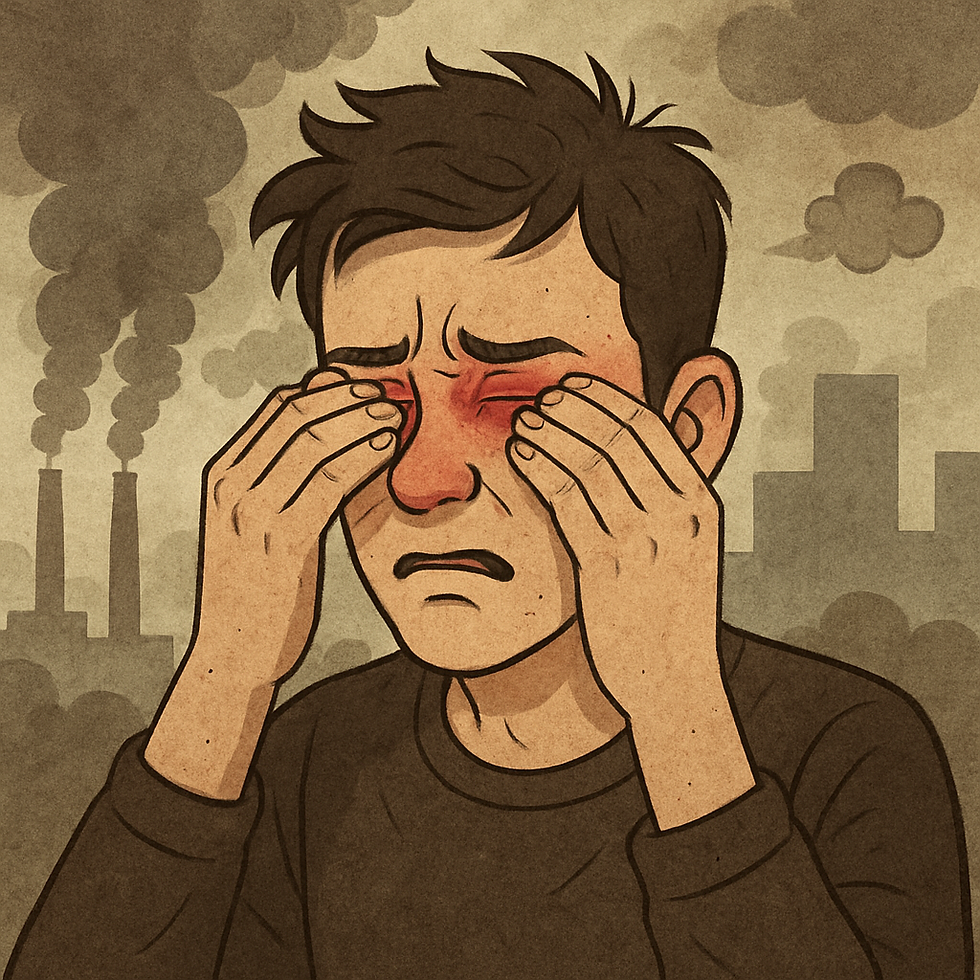
Environmental factors significantly contribute to eye irritation and burning.
Air Quality: Exposure to smoke, pollution, or strong odors can irritate the eyes. These pollutants can enter the eye, causing inflammation and discomfort. Urban areas with high pollution levels or regions with frequent wildfires are particularly problematic.
Dry Air: Air conditioning or heating systems can reduce humidity levels, leading to dry and burning eyes. The lack of moisture in the air can cause the tear film to evaporate more quickly, leaving eyes unprotected. Using air conditioning or heating without a humidifier can worsen dryness.
Allergens: Pollen, dust, and pet dander are common allergens that can cause eye burning. Allergens trigger an immune response that leads to itching, redness, and burning sensations. Seasonal allergies can exacerbate symptoms during peak pollen periods.
Digital Eye Strain
In our digital era, many individuals spend hours looking at screens, which can result in digital eye strain—a condition marked by burning eyes and other symptoms.
Screen Time: Extended use of computers, tablets, and smartphones requires intense eye focus, often without sufficient breaks. This can cause symptoms such as blurred vision and burning sensations.
Lighting and Glare: Poor lighting or glare from screens can worsen eye strain. Adjusting screen brightness and using glare-reducing filters can help lessen discomfort.
Frequency of Breaks: Decreasing screen time and taking regular breaks can help relieve these symptoms. The 20-20-20 rule—taking a 20-second break to look at something 20 feet away every 20 minutes—can be especially effective.
Medical Conditions
Various medical conditions can lead to the feeling of burning eyes. Recognizing these conditions helps in determining the suitable treatment.
Dry Eye Syndrome: This condition arises when your eyes do not produce sufficient tears, resulting in irritation and a burning sensation. It is one of the most common causes of burning eyes, often worsened by age or hormonal changes.
Conjunctivitis (Pink Eye): Infection or inflammation of the conjunctiva can lead to burning, redness, and itchiness. This condition is frequently contagious and requires medical care to prevent spreading.
Blepharitis: Inflammation of the eyelids can cause burning sensations and crusting around the eyelashes. Chronic blepharitis can lead to prolonged discomfort and necessitates ongoing management.
Identifying Eye Strain Symptoms
Eye strain is a common problem for individuals who spend a lot of time on screens or engage in tasks that demand intense concentration. Identifying the symptoms can aid in taking prompt action.
Physical Symptoms
Physical symptoms of eye strain can vary and are often associated with extended screen use or poor lighting conditions.
Tired Eyes: A sensation of fatigue or heaviness in the eyes is a frequent sign. This may also involve a frequent urge to rub the eyes.
Dryness: Insufficient moisture can cause a burning feeling, usually due to decreased blinking during screen use, leading to quicker tear evaporation.
Sensitivity to Light: Bright lights or glare can worsen eye strain. Symptoms may be more noticeable when transitioning from dim to well-lit environments.
Visual Symptoms
Visual symptoms often accompany physical discomfort and can interfere with daily activities.
Blurred Vision: Difficulty seeing clearly, especially after extended screen time, which can reduce productivity and cause frustration.
Double Vision: Seeing two images of a single object can happen after intense screen focus, affecting depth perception and coordination.
Difficulty Focusing: Trouble maintaining focus on tasks can be a major sign of eye strain, potentially leading to headaches or migraines.
Behavioral Symptoms
In addition to physical and visual symptoms, certain behavioral changes may indicate eye strain.
Frequent Eye Rubbing: Often an unconscious reaction to discomfort, which can worsen irritation.
Increased Blinking: Although blinking is necessary to keep eyes moist, increased blinking can signal irritation.
Avoidance of Tasks: Hesitance to perform tasks requiring visual focus may suggest eye strain, affecting both work and leisure activities.
Effective Treatments for Dry Eyes

by Akram Huseyn (https://unsplash.com/@akramhuseyn)
If you're experiencing burning eyes due to dryness, various treatments can offer relief. Tackling the underlying dryness is essential for easing discomfort.
Over-the-Counter Solutions
Simple remedies can often quickly relieve mild dry eye symptoms.
Artificial Tears: These lubricating eye drops can provide immediate relief by adding moisture to your eyes. They are readily available and can be used multiple times a day.
Warm Compresses: Applying a warm compress to your eyes can help stimulate oil glands and enhance tear quality. Regular use can reduce symptoms and support eye health.
Lid Scrubs: Gently cleaning the eyelids can remove debris and improve the function of oil glands, reducing dryness and irritation.
Lifestyle Adjustments
Changing your environment and habits can significantly decrease dry eye symptoms.
Humidifiers: Using a humidifier at home or work can help maintain air moisture, reducing eye dryness. It's especially useful in dry climates or during winter.
Hydration: Drinking plenty of water helps keep your eyes hydrated. Staying well-hydrated supports overall eye health and tear production.
Regular Breaks: Follow the 20-20-20 rule by taking a 20-second break every 20 minutes to look at something 20 feet away. This practice can relieve eye strain and enhance eye comfort.
Medical Treatments
If over-the-counter solutions and lifestyle changes don't relieve your symptoms, consider consulting an eye doctor. They may suggest more specific treatments.
Prescription Eye Drops: Medications that help boost tear production or reduce inflammation can be prescribed for more severe dry eye cases.
Punctal Plugs: Small devices inserted into tear ducts to reduce drainage and keep eyes moist. This treatment can offer long-term relief for chronic dry eyes.
Thermal Pulsation Treatment: A procedure using heat and pressure to unclog oil glands and improve tear quality. It can be an effective option for those with meibomian gland dysfunction.
When to See a Doctor
Although burning eyes can frequently be treated with home remedies and over-the-counter solutions, there are certain instances where medical attention is necessary. Recognizing when to seek professional care is vital for maintaining eye health.
Persistent Symptoms
If burning eyes persist despite treatment, it's important to consult an eye care professional. Ongoing symptoms might suggest an underlying condition that needs specialized care.
Severe Pain or Vision Changes
Immediate medical evaluation is required for sudden, severe pain or changes in vision. These symptoms might indicate serious issues such as corneal abrasions or retinal detachment.
Infection Signs
Signs like discharge, redness, or swelling may point to an infection that requires medical treatment. Quick intervention can prevent complications and protect vision.
Preventing Burning Eyes
Adopting proactive measures can help avoid the onset of burning eyes. Cultivating healthy habits and creating a supportive environment are crucial.
Eye Care Habits
Establishing effective eye care practices is vital for preventing discomfort and ensuring eye health.
Proper Lighting: Make sure your workspace is well-lit to minimize eye strain. Avoid harsh fluorescent lights and choose softer, natural lighting when possible.
Screen Positioning: Arrange screens at eye level and at a comfortable distance to lessen neck and eye strain.
Blink Regularly: Consciously blink often, especially when using digital devices, to keep eyes moist and reduce dryness.
Nutrition and Eye Health
Diet is essential for maintaining healthy eyes and preventing burning sensations.
Omega-3 Fatty Acids: Foods high in omega-3s, such as fish and flaxseeds, support eye health by aiding tear production and reducing inflammation.
Antioxidants: Eating fruits and vegetables rich in antioxidants can protect your eyes from damage. Vitamins C and E, zinc, and lutein are particularly advantageous.
Hydration and Diet: A balanced diet and proper hydration support overall eye function and comfort.
Environmental Adjustments
Minor changes to your environment can prevent burning eyes and enhance comfort.
Use of Sunglasses: Shield your eyes from UV rays and reduce glare by wearing sunglasses outdoors.
Air Quality Control: Regularly clean air filters and limit exposure to smoke and pollutants to significantly reduce eye irritation.
Ergonomic Workspaces: Arrange your workspace to promote good posture and reduce strain on your eyes and body.
Conclusion
Experiencing burning eyes can be quite irritating, but identifying the causes and taking measures to prevent and treat the symptoms can offer considerable relief. Whether it's modifying your surroundings, adopting better screen habits, or seeking medical advice, there are many ways to tackle this common issue. By being proactive and attentive to eye health, you can avoid discomfort and maintain good vision. If you are dealing with persistent burning eyes, don't hesitate to consult an eye care professional for a comprehensive evaluation and a personalized treatment plan. Caring for your eyes will not only increase your comfort but also improve your overall quality of life, ensuring healthy vision for the future.


Comments