
Pain in Chest After Eating: Why It Happens and How to Fix It
- Vaibhav Sharma

- Jan 5
- 8 min read
Updated: Jan 9
Nothing ruins a delicious meal faster than a sudden, sharp, or burning sensation in your chest. For many, this experience triggers instant anxiety. Is it just something you ate? Is it severe heartburn? Or is it a sign of something more serious involving your heart?
Experiencing pain in chest after eating (medically referred to as postprandial chest pain) is a common complaint that sends thousands of people to emergency rooms and doctors' offices every year. While the digestive system is often the culprit, the proximity of the stomach and esophagus to the heart means that distinguishing between the two can be difficult for the average person.
In this comprehensive guide, we will explore the biological mechanisms behind this pain, distinguish between harmless indigestion and medical emergencies, and provide evidence-based strategies for relief and prevention.
Emergency Warning: When to Seek Help Immediately

Before diving into the causes of pain in chest after eating, it is critical to rule out a life-threatening emergency. Heart attacks can sometimes happen after a heavy meal because digestion diverts blood away from the heart.
Call emergency services (911) immediately if your chest pain is accompanied by:
Pressure, squeezing, fullness, or pain in the center of your chest that lasts more than a few minutes.
Pain spreading to the shoulders, neck, jaw, or arms (especially the left arm).
Lightheadedness, fainting, sweating, or nausea.
Shortness of breath.
A feeling of "doom" or extreme anxiety.
Understanding the Mechanics of Pain in Chest After Eating

To understand why you experience pain in chest after eating, you must understand the anatomy of your torso. The chest cavity is a crowded space. Your heart, lungs, esophagus (food pipe), and stomach all reside within close proximity.
The vagus nerve, which runs from your brain stem down to your abdomen, innervates both the heart and the digestive tract. Because these organs share similar nerve pathways, the brain can sometimes confuse signals. Acid burning in the esophagus can feel surprisingly like heart pain, and conversely, heart distress can sometimes mimic indigestion.
Postprandial pain (pain occurring after a meal) usually indicates that the organ system actively working—the digestive system—is struggling. However, because the digestive process increases the heart rate and blood pressure slightly, it can also unmask underlying cardiovascular issues.
The Role of Digestion

When you eat, your body increases acid production in the stomach to break down food. If the muscular valve between the stomach and esophagus (the Lower Esophageal Sphincter, or LES) is weak, that acid can splash upward. Furthermore, a very full stomach can press against the diaphragm, restricting lung expansion and putting pressure on the chest cavity, leading to that sensation of pain in chest after eating.
Digestive Causes of Pain in Chest After Eating
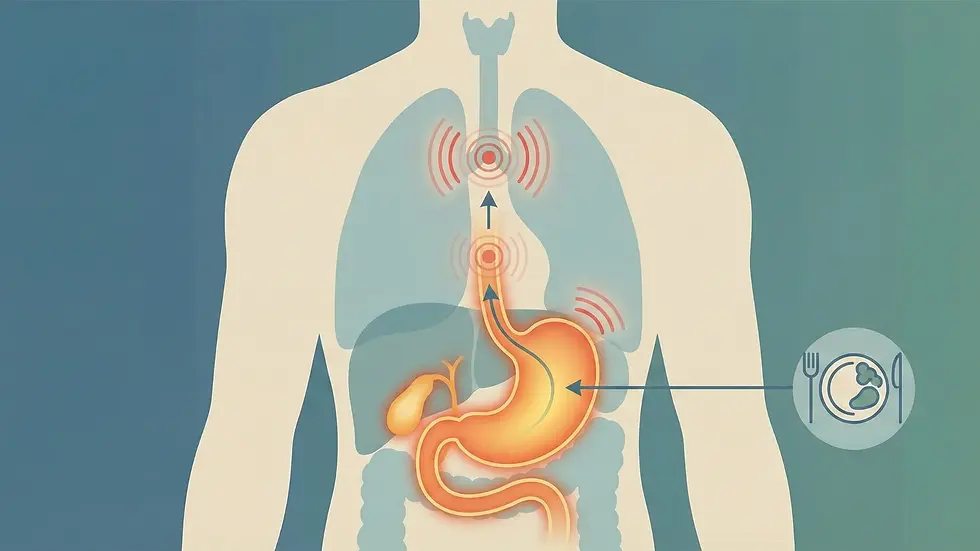
For the vast majority of people, chest discomfort following a meal is gastrointestinal in nature. The digestive system is complex, and a breakdown in any part of the process can lead to referred pain in the chest.
1. Gastroesophageal Reflux Disease (GERD)

GERD is the most common cause of non-cardiac chest pain. It occurs when stomach acid frequently flows back into the tube connecting your mouth and stomach. This acid wash irritates the lining of your esophagus.
The Sensation: A burning pain behind the breastbone (sternum). It often gets worse if you lie down or bend over after eating.
Why it happens: Certain foods (spicy, fatty, or acidic) relax the LES, allowing acid to escape.
Key Symptom: A sour taste in the mouth or "wet burps."
2. Gallstones and Gallbladder Attacks

The gallbladder is a small organ located on the right side of your abdomen beneath the liver. Its job is to store bile, a fluid that helps digest fats.
The Connection to Eating: When you eat a fatty meal (like a cheeseburger or fried chicken), your gallbladder contracts to release bile. If a gallstone is blocking the duct, that contraction causes intense pain.
The Pain Pattern: While the gallbladder is in the abdomen, the pain often radiates upward into the center of the chest or the right shoulder blade. This is frequently misidentified as a heart attack.
3. Hiatal Hernia

A hiatal hernia occurs when the upper part of your stomach bulges through the large muscle separating your abdomen and chest (the diaphragm).
Impact on Chest: This condition makes it much easier for acid to back up into the esophagus. A large hernia can also cause a feeling of pressure or fullness in the chest simply due to the stomach occupying space it shouldn't.
Triggers: Large meals, lifting heavy objects, or straining can exacerbate the pain in chest after eating associated with a hernia.
4. Esophageal Spasms

Sometimes, the muscles in the esophagus do not contract in a coordinated way to move food down. Instead, they spasm or cramp.
Why it feels like a heart attack: These spasms can cause severe, squeezing chest pain that feels almost identical to angina (heart pain).
Triggers: Very hot or very cold foods, red wine, or swallowing large pieces of food without chewing properly.
5. Pancreatitis

The pancreas produces enzymes that help digestion. If the pancreas becomes inflamed (pancreatitis), often due to gallstones or alcohol use, it can cause severe pain.
Location: Pain starts in the upper abdomen but often radiates through to the back and chest.
Timing: Pain often worsens minutes after eating or drinking.
Heart-Related Causes of Pain in Chest After Eating

While digestive issues are more common, we cannot ignore cardiac causes. Digestion requires energy. When you eat, your body diverts blood flow to the stomach and intestines. This means the heart has to work a little harder to pump blood to the rest of the body. If your heart arteries are narrowed, they may not be able to supply the extra oxygen the heart needs during this time.
1. Angina Pectoris

Angina is chest pain caused by reduced blood flow to the heart muscles.
Stable Angina: This usually happens during exertion, but a heavy meal can also act as a trigger. The heart rate rises during digestion, and if the arteries are clogged, the heart muscle cries out in pain.
Sensation: It feels like pressure, squeezing, or a heavy weight sitting on the chest.
2. Myocardial Infarction (Heart Attack)

As stated in the emergency section, a heart attack is a blockage of blood flow to the heart. While not "caused" by food, the stress of a heavy meal can trigger an event in someone with pre-existing heart disease.
3. Pericarditis

This is the inflammation of the sac surrounding the heart. While less commonly triggered specifically by food, the pressure of a full stomach pressing on an inflamed pericardium can worsen the pain.
Comparison Table: Heartburn vs. Heart Problem

Feature | Digestive Pain (Heartburn/GERD) | Cardiac Pain (Angina/Heart Attack) |
Type of Pain | Burning, sharp, acidic feeling. | Squeezing, heavy pressure, "elephant on chest." |
Movement | Often stays in the chest or moves up to the throat. | Radiates to left arm, jaw, neck, or back. |
Response to Antacids | Usually improves quickly. | Does not improve with antacids. |
Body Position | Gets worse when lying down or bending over. | Usually constant regardless of position (or worsens with exertion). |
Associated Symptoms | Sour taste, bloating, belching. | Sweating, shortness of breath, faintness, nausea (without burping). |
Musculoskeletal and Psychological Reasons for Pain in Chest After Eating

Sometimes the cause is neither the heart nor the stomach, but the structures around them or the mind's reaction to stress.
Costochondritis
This is inflammation of the cartilage that connects a rib to the breastbone.
Eating Connection: While eating doesn't cause the inflammation, the physical expansion of the stomach and the movement of the rib cage during heavy breathing (after a large meal) can aggravate the rib joints, leading to pain in chest after eating.
Panic Attacks and Anxiety
Anxiety can cause hyperventilation and muscle tension in the chest wall. Furthermore, people with high anxiety often suffer from "visceral hypersensitivity," meaning they feel normal digestive processes (like gas moving or the stomach stretching) as acute pain.
Diagnosis: Finding the Source of Pain in Chest After Eating

If you experience recurring chest pain, self-diagnosis is dangerous. A medical professional will use a process of elimination to determine the cause.
The Medical History
Your doctor will ask specific questions about your pain in chest after eating:
Does it happen after every meal or only fatty meals?
Does the pain radiate to your back?
Does it get better if you burp?
Diagnostic Tests
ECG (Electrocardiogram): The first step is usually to check the heart's electrical activity to rule out immediate cardiac ischemia.
Blood Tests: Checking for Troponin levels (proteins released when heart muscle is damaged) or liver/pancreas enzymes.
Upper Endoscopy (EGD): A flexible tube with a camera is passed down the throat to look for inflammation, ulcers, or hiatal hernias in the esophagus and stomach.
Abdominal Ultrasound: The gold standard for detecting gallstones.
Stress Test: Monitoring the heart while you walk on a treadmill to see how it handles exertion (simulating the stress of digestion).
Treatment Options for Pain in Chest After Eating

Treatment depends entirely on the underlying cause. Once a doctor confirms the source, they may suggest a mix of medication, lifestyle changes, or procedures.
Treating Digestive Causes
Antacids: Over-the-counter chews (like Tums or Rolaids) neutralize stomach acid for immediate, short-term relief.
H2 Blockers and PPIs: Medications like famotidine (Pepcid) or omeprazole (Prilosec) reduce the amount of acid the stomach produces, allowing the esophagus to heal.
Gallbladder Removal (Cholecystectomy): If gallstones are causing severe attacks after eating, surgical removal of the gallbladder is the standard treatment.
Muscle Relaxants: For esophageal spasms, medications that relax smooth muscles (like calcium channel blockers) may be prescribed.
Treating Heart-Related Causes
Nitroglycerin: Often prescribed for angina, this relaxes blood vessels to improve flow to the heart.
Blood Thinners & Statins: To manage cholesterol and prevent clots.
Lifestyle Management: Strict control of blood pressure and diabetes is essential.
Immediate Home Relief (Non-Cardiac)
If you have been cleared by a doctor and know your pain is digestive, try these steps when pain in chest after eating strikes:
Stand Up: Do not lie down. Gravity helps keep acid in the stomach.
Loosen Clothing: Unbutton tight pants or belts to reduce pressure on the abdomen.
Sip Warm Water: This can help wash acid back down and relax esophageal muscles.
Ginger Tea: Ginger is a natural anti-inflammatory that aids gastric emptying.
Prevention and Lifestyle Changes for Pain in Chest After Eating

The most effective way to manage this condition is to prevent it from happening in the first place. Modifying how and what you eat can drastically reduce the frequency of chest pain.
1. The "Small and Frequent" Rule
Large meals require large amounts of acid and cause significant stomach distension (stretching). Switching to 5 small meals a day instead of 3 large ones reduces the workload on your digestive system.
2. Identify and Eliminate Triggers
Keep a food diary to pinpoint what causes your pain in chest after eating. Common culprits include:
Fatty/Fried Foods: Slow down digestion and trigger the gallbladder.
Spicy Foods: Irritate the esophageal lining.
Tomato-based products: Highly acidic.
Chocolate and Mint: Both can relax the lower esophageal sphincter, worsening reflux.
Alcohol and Caffeine: Both increase acid production.
3. Master the Art of Chewing
Digestion begins in the mouth. Chewing your food thoroughly creates a larger surface area for enzymes to work on, meaning the stomach doesn't have to work as hard (or produce as much acid) to break it down.
4. Post-Meal Positioning
Wait at least 3 hours after eating before going to bed or lying on the sofa. If you suffer from nocturnal reflux, elevate the head of your bed by 6 inches using blocks (pillows alone often just bend your neck, which can worsen the issue).
5. Weight Management
Excess weight around the abdomen puts physical pressure on the stomach and the LES. Losing even 5 to 10 pounds can significantly reduce the internal pressure that forces acid up into the chest.
Conclusion

Experiencing pain in chest after eating is a distressing signal from your body that something is out of balance. While it is frequently caused by manageable issues like GERD, gallstones, or indigestion, it is a symptom that demands respect and attention.
Never ignore chest pain. If the pain is new, severe, or accompanied by shortness of breath, seek emergency care immediately. If the pain is chronic and clearly linked to food, consult with a gastroenterologist. With the right diagnosis, dietary adjustments, and medical treatment, you can enjoy your meals again without the fear of pain.
Medical Disclaimer
The content provided in this blog post is for informational and educational purposes only and is not intended as a substitute for professional medical advice, diagnosis, or treatment. Always seek the advice of your physician or other qualified health provider with any questions you may have regarding a medical condition. Never disregard professional medical advice or delay in seeking it because of something you have read on this website.
References
1. Mayo Clinic
Topic: Chest pain after eating and digestive causes https://www.mayoclinic.org/symptoms/chest-pain/basics/causes/sym-20050838
2. National Institutes of Health (NIH)
Topic: Gastroesophageal Reflux Disease (GERD) https://www.niddk.nih.gov/health-information/digestive-diseases/acid-reflux-ger-gerd-adults
3. NHS
Topic: Chest pain symptoms and when to seek emergency care https://www.nhs.uk/conditions/chest-pain/
4.Cleveland Clinic
Chest Pain: Causes, Symptoms & Treatment


Comments