
Differentiate Between Heart Attack and Cardiac Arrest: A Doctor Explains the Key Differences
- Vaibhav Sharma

- Feb 16
- 6 min read

A heart attack is a circulation issue — a blocked artery stops blood flow to the heart muscle, causing damage if untreated.A cardiac arrest is an electrical issue — the heart's rhythm fails suddenly, stopping effective pumping and causing collapse in seconds.Knowing this saves lives: heart attack gives time to call emergency services for hospital treatment; cardiac arrest requires immediate CPR and defibrillator use to prevent death or brain damage. As a medical professional experienced in both, I’m sharing this to help you act fast and protect lives.
What Is a Heart Attack?

A heart attack, medically known as myocardial infarction, occurs when blood flow to a part of the heart muscle is severely reduced or completely blocked, starving the muscle of oxygen and causing tissue damage or death if not treated quickly. It is a circulation problem — the heart itself continues beating (unlike cardiac arrest), but the blocked section of heart muscle begins to die within minutes to hours without restored blood flow. Most heart attacks are caused by plaque buildup (atherosclerosis) in the coronary arteries, which narrows the vessel and sets the stage for a sudden blockage. Prompt recognition and treatment (within the "golden hour") can limit damage and save lives — that’s why understanding the signs is critical.
What Causes a Heart Attack?
The primary cause is a sudden blockage of a coronary artery, the blood vessels that supply oxygen-rich blood to the heart muscle. This blockage usually happens when a plaque (fatty deposit) inside the artery ruptures, triggering a blood clot to form rapidly at the site and completely obstruct flow. Key risk factors that promote plaque buildup and increase likelihood include:
High cholesterol (especially LDL)
Smoking
Diabetes
High blood pressure
Obesity
Sedentary lifestyle
Family history of early heart disease
Age (risk rises after 45 in men, 55 in women)
Controlling these modifiable risks through lifestyle changes and medication significantly lowers the chance of a heart attack.
Common Symptoms of a Heart Attack
Symptoms can vary between individuals (especially women, older adults, and people with diabetes may have subtler signs), but classic warning signs include:
Chest pressure, tightness, squeezing, or pain — often described as a heavy weight or elephant sitting on the chest; may last more than a few minutes or come and go.
Pain or discomfort spreading to one or both arms, shoulders, neck, jaw, back, or upper stomach.
Shortness of breath — with or without chest pain; feeling like you can’t catch your breath even at rest.
Nausea, vomiting, cold sweats, lightheadedness, or sudden extreme fatigue — these are especially common in women.
Important: Not everyone experiences dramatic chest pain — some have mild or "silent" heart attacks. If you suspect a heart attack, call emergency services (108 in India) immediately — do not drive yourself or wait to see if it passes.
What Is Cardiac Arrest?

Cardiac arrest is a sudden and complete loss of heart function — the heart stops beating effectively and can no longer pump blood to the brain, lungs, and other organs. It is an electrical malfunction in the heart’s rhythm system (not a blockage like a heart attack), causing the heart to quiver uselessly (fibrillate) or stop entirely. Within seconds, the person becomes unresponsive, stops breathing normally, and has no detectable pulse — death can occur in minutes without immediate intervention. Unlike a heart attack (where the heart keeps beating), cardiac arrest is a true medical emergency requiring instant CPR and defibrillation to restart the heart’s rhythm.
What Causes Cardiac Arrest?
The most common cause is a life-threatening abnormal heart rhythm (arrhythmia), especially ventricular fibrillation (VF) — where the heart’s lower chambers quiver chaotically instead of pumping blood. Other rhythms include pulseless ventricular tachycardia, asystole (flatline), or pulseless electrical activity. It can strike suddenly without warning, even in people with no prior symptoms — often triggered by:
Underlying heart disease (e.g., previous heart attack, cardiomyopathy)
Severe electrolyte imbalances
Drug overdose or poisoning
Extreme physical stress or trauma
Inherited conditions (e.g., long QT syndrome, Brugada syndrome)
Drowning, electrocution, or severe blood loss
In many cases, it occurs without obvious prior signs, making immediate bystander action critical.
Signs of Cardiac Arrest
Cardiac arrest happens abruptly — the person typically:
Collapses suddenly without warning
Becomes unresponsive and does not respond to shouting or shaking
Stops breathing normally (may have only gasping/agonaI breaths)
Has no pulse (check carotid or femoral for 5–10 seconds)
Other signs include immediate loss of consciousness, pale or blue-tinged skin, and dilated pupils. There is no time to wait — if you see these signs, call emergency services (108 in India) immediately and start hands-only CPR right away while someone fetches an AED (defibrillator).
Key Differences Between Heart Attack and Cardiac Arrest

A heart attack is a circulation problem — blood flow to part of the heart muscle is blocked (usually by a clot), causing damage but the heart continues beating. A cardiac arrest is an electrical problem — the heart’s rhythm fails suddenly, stopping effective pumping; the heart stops or quivers uselessly. In a heart attack, the person is usually conscious and can often speak, call for help, or feel symptoms building. In cardiac arrest, the person becomes unconscious immediately, collapses, stops breathing normally, and has no pulse. The urgency differs dramatically: heart attack requires fast medical intervention (call emergency, get to hospital for clot treatment), while cardiac arrest demands instant bystander action (start CPR and use AED/defibrillator within minutes) to prevent death or brain damage.
Comparison Table: Heart Attack vs Cardiac Arrest
Aspect | Heart Attack (Myocardial Infarction) | Cardiac Arrest |
Cause | Blocked coronary artery (plaque rupture + blood clot) | Sudden electrical malfunction (arrhythmia, e.g., ventricular fibrillation) |
Symptoms | Chest pressure/pain, arm/jaw/neck pain, shortness of breath, nausea, sweating | Sudden collapse, no warning symptoms in many cases |
Heart Status | Heart continues beating (though part of muscle is damaged) | Heart stops beating effectively or quivers uselessly |
Consciousness | Usually conscious and responsive (may be in pain/distress) | Immediate unconsciousness, unresponsive |
Treatment | Call emergency (108), aspirin if advised, hospital for clot-busters/angioplasty | Immediate CPR + AED/defibrillator, call emergency, advanced life support |
Risk Factors for Both Conditions
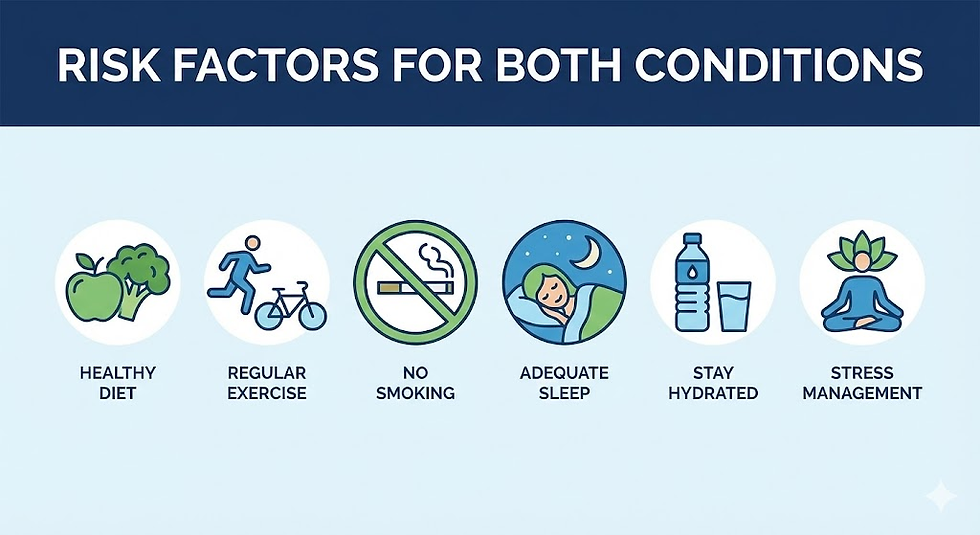
Heart attacks and cardiac arrests share many overlapping risk factors, as both are often linked to underlying heart disease. Controlling these modifiable risks can dramatically reduce your chances of either emergency:
High blood pressure (hypertension) — Damages arteries over time, promoting plaque buildup and increasing strain on the heart.
Diabetes — High blood sugar accelerates atherosclerosis, damages blood vessels, and raises risk of clots and arrhythmias.
Smoking — Damages artery walls, promotes clotting, reduces oxygen delivery, and triggers dangerous electrical instability.
Obesity — Especially abdominal fat, leads to inflammation, high cholesterol, diabetes, and extra heart workload.
Family history — Genetic predisposition to early heart disease (heart attack or sudden death before age 55 in men, 65 in women) increases personal risk.
Sedentary lifestyle — Lack of physical activity weakens the heart, worsens cholesterol profiles, contributes to obesity, and raises blood pressure.
How to Lower Your Risk
You can significantly reduce your risk of both heart attack and cardiac arrest through consistent lifestyle changes and proactive health management:
Healthy diet — Focus on heart-protective eating: plenty of fruits, vegetables, whole grains, lean proteins, nuts, and healthy fats (olive oil, avocados, fatty fish); limit processed foods, added sugars, salt, and saturated/trans fats.
Regular exercise — Aim for at least 150 minutes of moderate aerobic activity (brisk walking, cycling, swimming) per week, plus strength training 2+ days — it strengthens the heart, improves circulation, lowers blood pressure, and helps control weight/diabetes.
Routine health checkups — Get regular blood pressure, cholesterol, blood sugar, and BMI screenings; early detection and treatment of hypertension, high cholesterol, or prediabetes prevent progression to heart events.
Stress management — Practice daily techniques like deep breathing, meditation, yoga, adequate sleep (7–9 hours), or hobbies — chronic stress raises cortisol, blood pressure, and inflammation, all of which harm heart health.
Quitting smoking (if applicable) and limiting alcohol are also powerful steps. Small, sustainable changes add up to major protection — talk to your doctor about personalized risk assessment and prevention plans.
Conclusion: Why Knowing the Difference Saves Lives
A heart attack is a circulation emergency (blocked blood flow to heart muscle), while cardiac arrest is an electrical emergency (sudden heart rhythm failure). One allows time to call 108 and reach a hospital; the other requires immediate CPR and AED within seconds to prevent death. Recognize the signs, act fast—chest pain means emergency help, sudden collapse means start CPR now. Control risks: quit smoking, manage BP/diabetes, stay active, and spread awareness. As a doctor, I’ve seen it: every second counts. Knowing this difference isn’t just information—it’s the power to save a life, maybe yours or someone you love.
Frequently Asked Questions About Heart Attack and Cardiac Arrest
What is the main difference between heart attack and cardiac arrest?
A heart attack happens when blood flow to the heart is blocked, while cardiac arrest occurs when the heart suddenly stops beating due to an electrical problem. One affects circulation, the other affects heart rhythm.
Is a heart attack the same as cardiac arrest?
No, they are not the same condition. A heart attack is caused by blocked arteries, whereas cardiac arrest is caused by a sudden electrical failure in the heart.
Can a person survive cardiac arrest?
Yes, but survival depends on immediate CPR and rapid defibrillation with an AED. Quick emergency response significantly increases survival chances.
Can a heart attack cause cardiac arrest?
Yes, a severe heart attack can disrupt the heart’s electrical system and trigger cardiac arrest. However, not all heart attacks lead to cardiac arrest.
Which is more dangerous, heart attack or cardiac arrest?
Cardiac arrest is immediately life-threatening because the heart stops pumping blood. A heart attack is also serious but usually allows time for medical intervention if treated quickly.
What are the warning signs before cardiac arrest?
Sometimes there are no warning signs, but symptoms may include chest pain, dizziness, shortness of breath, or palpitations before sudden collapse.


Comments